Key Takeaways
-
Deep tissue massage targets deeper muscle layers and connective tissue to address chronic pain and muscle tension
-
Massage helps break up scar tissue, improve circulation, and release chronic muscle tension patterns
-
Benefits include reduced chronic pain, lower blood pressure, improved muscle recovery, and enhanced flexibility
-
Especially beneficial for athletes, people with chronic pain conditions, and those with postural problems
-
Sessions involve slow, deliberate strokes across muscle grain with firm, sustained pressure that can feel intense
-
Different from Swedish massage, deep tissue work is therapeutic and focused on specific problem areas
-
Frequency depends on individual needs, with options ranging from weekly sessions during injury recovery to monthly maintenance
You’ve probably heard people rave about deep tissue massage. Maybe a friend swore it saved their back, or your gym buddy won’t stop talking about it. But what exactly is it? And more importantly, how is it different from that relaxing Swedish massage you might get at a spa?
Let’s talk about it like we’re sitting over coffee. Deep tissue massage isn’t just a regular massage with more pressure. It’s a specific technique that targets the deeper layers of your muscles and the connective tissue that wraps around them. Think of it as maintenance work for your body, not just a feel-good moment.
If you’ve been dealing with chronic pain, muscle tightness, or recovering from an injury, this might be exactly what you need. The goal isn’t just relaxation. It’s about fixing problems that live deep in your muscles. And yes, it can get a little intense, but stick with me. I’ll explain everything you need to know.
Understanding Deep Tissue Massage Basics
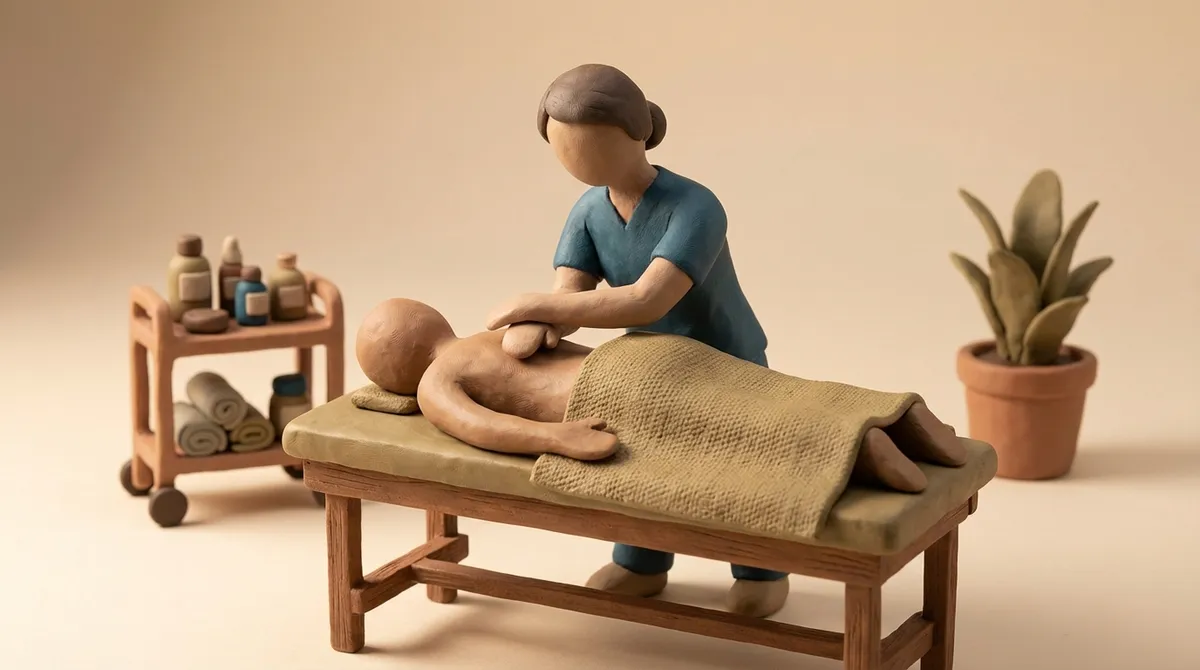
So what happens during a deep tissue massage? Your therapist uses slow, deliberate strokes with firm pressure. They’ll work with their hands, elbows, and sometimes even forearms to reach those stubborn knots and adhesions hiding in your muscles.
Unlike a typical relaxation massage where the therapist glides over your skin, deep tissue work goes layer by layer. They’re targeting the fascia (that’s the connective tissue wrapping your muscles) and the muscle fibers themselves. The pressure helps break up scar tissue and adhesions that form from injuries or chronic tension.
Here’s what makes it unique:
- The strokes move across the grain of your muscles, not just along them
- Therapists apply sustained pressure to specific problem areas
- The focus is on releasing chronic patterns of tension in your body
- Sessions target inner muscle layers, not just surface tissue
You might wonder if it hurts. Honestly? It can be uncomfortable. But there’s a difference between “good pain” (that feeling when a tight knot releases) and actual pain. A skilled therapist knows how to work right at that edge without crossing it.

The Science Behind How It Works
Let’s get into what’s actually happening in your body. When your therapist applies that firm pressure, they’re doing more than just pushing on muscles. They’re triggering a whole cascade of responses in your body.
The pressure stimulates mechanoreceptors in your tissues. These are basically sensors that tell your brain what’s happening. This stimulation causes your body to release neurotransmitters like serotonin, dopamine, and endorphins. You know endorphins, right? They’re your body’s natural painkillers.
At the same time, deep tissue massage improves blood and lymph circulation. Better circulation means more oxygen and nutrients reach your muscles. It also helps clear out metabolic waste that builds up in tight, overworked muscles. This is why you might feel sore for a day or two after your first session. Your body is literally cleaning house.
Research backs this up. A 2014 study with 59 participants found that deep tissue massage reduced chronic low back pain just as effectively as ibuprofen. That’s pretty impressive when you think about it. You’re getting pain relief without popping pills.
What Happens to Your Blood Pressure
Here’s something cool that surprised me when I first learned about it. Deep tissue massage can actually lower your blood pressure. A large study with 263 participants showed significant decreases in both systolic and diastolic blood pressure after sessions.
Another study from 2008 reported even more specific numbers. Massage therapy reduced blood pressure readings and heart rate by an average of 10 beats per minute. The endorphins released during massage help your blood vessels relax, which directly affects pressure levels.
If you’re dealing with hypertension, this doesn’t replace your medication. But it’s a great complementary approach. Always talk to your doctor, of course.

Who Really Benefits from Deep Tissue Massage
Not everyone needs deep tissue work. But if you fall into certain categories, it might be exactly what your body is asking for. Let me break down who gets the most from these sessions.
Athletes and active people love it. If you’re training hard, your muscles develop micro-tears and adhesions. Deep tissue massage helps speed up recovery by clearing metabolic waste and improving circulation. You’ll bounce back faster between workouts.
People with chronic pain conditions see real results. Nearly 1 in 4 adults experiences arthritis, and for them, this type of massage improves circulation and range of motion. Fibromyalgia patients often report reduced pain levels. The same goes for chronic neck, shoulder, and lower back pain.
Specific Conditions That Respond Well
Let’s get specific about what deep tissue massage can help with:
- Sports injuries and rehabilitation – breaks up scar tissue and speeds healing
- Arthritis pain – improves joint flexibility and reduces inflammation
- Chronic muscle tension in the neck, shoulders, and lower back
- Fibromyalgia symptoms – reduces widespread pain and improves sleep
- Post-surgery recovery – helps restore normal movement patterns
- Postural problems – releases patterns of tension that pull your body out of alignment
Maybe you sit at a desk all day. Your shoulders creep up toward your ears, your neck aches, and you’ve got that knot between your shoulder blades that won’t quit. Deep tissue work targets exactly these kinds of chronic holding patterns.
At Mobile Area Massage of Tampa Bay, therapists often see business travelers who carry tension from hours on planes and in meetings. The convenience of having skilled therapy come to your hotel room means you can address these issues without adding more stress to your schedule.

Deep Tissue vs. Swedish Massage
People mix these up all the time. Let me clear it up. Swedish massage is what most people think of as a “regular” massage. It uses lighter pressure with flowing strokes designed to relax your entire body. It’s wonderful for stress relief and general wellness.
Deep tissue massage has a different goal. It’s therapeutic. It’s about addressing specific problems. Here’s a quick comparison:
| Aspect | Deep Tissue Massage | Swedish Massage |
|---|---|---|
| Pressure Level | Firm to intense | Light to medium |
| Primary Goal | Address chronic pain and injuries | Relaxation and stress relief |
| Stroke Direction | Across muscle grain, focused on problem areas | Along muscle grain, full body flow |
| Soreness After | Common for 1-2 days | Rare |
| Best For | Chronic pain, injuries, athletes | Stress relief, first-time massage clients |
Does this mean one is better than the other? Not at all. They serve different purposes. You might want Swedish massage when you need to de-stress and relax. But when you’ve got that stubborn knot that won’t quit or chronic pain that’s affecting your life, deep tissue is your better bet.
What to Expect During Your Session
Walking into your first deep tissue massage session can feel a little intimidating. Let me walk you through what typically happens so you know what to expect.
Your therapist will start with a conversation. They’ll ask about your pain, injuries, and what you’re hoping to achieve. Be honest here. If you’ve got a wonky shoulder or your lower back has been screaming at you, speak up. This information guides the entire session.
You’ll undress to your comfort level and lie on the massage table under a sheet. Your therapist will only uncover the area they’re working on. They might start with lighter pressure to warm up your muscles before going deeper. This isn’t them being timid. It’s smart technique. Cold muscles don’t respond well to deep pressure.
Communication is Key
Here’s the most important thing: talk during your session. Seriously. If the pressure is too much, say so. If they hit a spot that needs more work, tell them. Your therapist can’t read your mind, and they want you to get the most from your session.
You might feel some discomfort when they work on problem areas. That’s normal. But you should never feel sharp pain or like you need to tense up against the pressure. Some people describe the sensation as “hurts so good.” That’s about right.
After your session, you might feel a little sore, similar to how you feel after a good workout. This typically lasts 1-2 days. Drink plenty of water to help flush out the metabolic waste that’s been released from your muscles. Some people feel immediately better, while others notice improvement over the next few days.
The Health Benefits Beyond Pain Relief
Pain relief is usually why people try deep tissue massage. But the benefits go way beyond that. Let me share some of the other positive effects you might notice.
Your sleep might improve. When chronic tension releases, your nervous system can finally relax. Many people report sleeping better after regular sessions. Your body can actually rest instead of fighting against tight muscles all night.
Your posture can improve too. Those chronic patterns of tension often pull your body out of alignment. When you release them, your body can return to more natural positioning. You might stand taller without even trying.
Research shows massage therapy can boost your immune system. One study found increases in white blood cells after massage sessions. These are the cells that fight off illness and infection. Pretty cool side benefit, right?
Mental and Emotional Benefits
Your mental health gets a boost too. The reduction in cortisol (your stress hormone) combined with the release of feel-good neurotransmitters can improve your mood. According to the American Massage Therapy Association, massage therapy offers significant mental health benefits beyond just physical relief.
Statistics show that 94% of people believe massage helps with pain, with over 30% seeking it specifically for that reason. But people keep coming back for the emotional relief too. There’s something powerful about taking time to care for your body. It sends a message that you’re worth the investment.
How Often Should You Get Deep Tissue Massage
This is the question everyone asks. And honestly? It depends on your situation. There’s no one-size-fits-all answer, but I can give you some guidelines.
If you’re dealing with chronic pain or recovering from an injury, you might benefit from weekly sessions initially. Once you see improvement, you can space them out to every two weeks, then monthly for maintenance.
Athletes often schedule sessions based on their training cycles. Maybe weekly during intense training periods, and bi-weekly during lighter phases. The goal is to keep your muscles in good working order so small problems don’t become big ones.
For general wellness and prevention, monthly sessions work well for most people. This gives you regular tune-ups to address tension before it becomes chronic pain. Think of it like maintaining your car. You don’t wait until something breaks. You do regular maintenance.
Factors That Influence Frequency
Your ideal frequency depends on several things:
- The severity of your condition or pain level
- Your activity level and physical demands
- Your budget and schedule availability
- How your body responds to treatment
- Whether you’re in active treatment or maintenance mode
Listen to your body. It’ll tell you what it needs. Some people feel great for weeks after a session. Others feel tension creeping back within days. There’s no wrong answer. It’s about finding what works for you.
Safety and Who Should Avoid Deep Tissue Massage
While deep tissue massage is safe for most people, it’s not right for everyone. Let’s talk about situations where you should either avoid it or talk to your doctor first.
Skip deep tissue massage if you have:
- Blood clots or a clotting disorder
- Osteoporosis or bone fractures
- Open wounds or skin infections in the treatment area
- Recent surgery (wait until you’re fully healed)
- Active cancer or undergoing cancer treatment (get doctor clearance)
If you’re pregnant, deep tissue work isn’t recommended, especially on your abdomen and lower back. A pregnancy-specific massage from a trained therapist is a better choice. The Florida Department of Massage Therapy requires specific training for therapists to ensure they provide safe, effective treatments.
People with certain health conditions should check with their doctor first. This includes heart disease, high blood pressure (if uncontrolled), or inflammatory conditions. Your doctor knows your situation best and can advise whether it’s safe for you.
Finding the Right Therapist
Not all massage therapists specialize in deep tissue work. When you’re looking for someone, ask about their training and experience. A good therapist will:
- Ask detailed questions about your health history and goals
- Explain what they’re doing and why during the session
- Check in regularly about pressure and comfort
- Give you aftercare instructions
- Adjust their technique based on your feedback
Mobile Area Massage of Tampa Bay brings over 70 years of combined experience directly to clients in Tampa Bay, Clearwater, and St. Pete. Their therapists specialize in various techniques and can provide personalized treatments whether you’re in your home or hotel room. This convenience factor matters when you’re dealing with pain. The last thing you want is to drive across town when your back is screaming.
Maximizing Your Results
Want to get the most from your deep tissue massage sessions? Here are some tips that really make a difference.
Before your session, drink plenty of water. Hydrated muscles respond better to treatment. If you can, take a warm shower or use a heating pad on tight areas. This helps your muscles relax before your therapist even touches you.
During your session, remember to breathe. It sounds simple, but people often hold their breath when they feel pressure. Breathing helps your muscles relax and allows the therapist to work deeper without causing pain. Some therapists will remind you to breathe. Listen to them.
After your session, that water thing? Still important. Drink more water than you think you need. This helps flush metabolic waste from your system. You might want to take it easy that day. This isn’t the time for intense exercise. Let your body integrate the work.
Long-Term Care Tips
Between sessions, you can do things to maintain the benefits:
- Stretch regularly, especially the areas that tend to get tight
- Pay attention to your posture throughout the day
- Use heat or ice on problem areas as recommended by your therapist
- Stay active with gentle movement like walking or swimming
- Consider massage for rehabilitation if you’re recovering from injury
The reality is that deep tissue massage works best as part of an overall approach to health. It’s not a magic fix. But combined with good habits, it can be incredibly effective at managing pain and improving your quality of life.
Think about your daily activities. What’s causing your tension? If you sit at a desk for eight hours, no amount of massage will fix things permanently if you never address your workspace setup. But regular massage can help manage the effects while you work on the underlying causes.
Real Results from Real People
Let me share what people actually experience with regular deep tissue massage. The statistics tell part of the story, but personal outcomes tell the rest.
For people with chronic lower back pain, studies show significant improvement. That 2014 study I mentioned earlier? It found deep tissue massage worked as well as taking ibuprofen daily. But here’s the thing – it did it without the side effects that come with long-term NSAID use.
Athletes report faster recovery times. When you’re training hard, you’re constantly breaking down muscle tissue. Deep tissue work helps clear the metabolic waste that makes you sore and brings fresh nutrients to help you rebuild. Many athletes say it’s the difference between feeling beat up all the time and being ready for their next training session.
People dealing with arthritis often see improved range of motion. One client might not be able to raise their arm above shoulder height. After consistent deep tissue work focusing on the shoulder and surrounding muscles, they regain much of that movement. It’s about reducing inflammation and breaking up restrictions in the tissue.
The Cumulative Effect
Here’s something important to understand: deep tissue massage has a cumulative effect. Your first session might feel good, but the real magic happens with consistency. Each session builds on the last one.
Your first session addresses the surface layer of problems. Maybe you’ve been tight for years. One hour won’t undo all that. But it starts the process. By your third or fourth session, your therapist can work deeper because your body has started to release those outer layers.
Over time, you might notice changes you didn’t expect. Maybe your headaches decrease. Or you sleep through the night for the first time in months. These aren’t coincidences. When you release chronic tension, everything connected to it starts to improve.
If you’re ready to experience these benefits yourself, you can explore the various services available and find what works best for your needs.
Many people wonder about the investment. Yes, regular massage therapy costs money. But compare it to the cost of pain medication, doctor visits, and lost productivity from being in pain. When you look at it that way, it’s preventive care that often saves money in the long run. You can check out pricing options to see what fits your budget and wellness goals.
Taking the Next Step
By now, you’ve got a solid understanding of what deep tissue massage is and how it differs from other types of massage. You know it’s not just about relaxation. It’s therapeutic work that addresses real problems living in your muscles and connective tissue.
The question isn’t really whether deep tissue massage works. The research is clear. Studies show it reduces pain, lowers blood pressure, improves athletic performance, and boosts immune function. The question is whether it’s right for you right now.
If you’re dealing with chronic pain, recovering from an injury, or your body just feels stuck, it’s worth trying. Give it a real shot though. One session might feel good, but you need a few sessions to really evaluate whether it’s making a difference in your specific situation.
Start by finding a qualified therapist who specializes in deep tissue work. Ask questions. Tell them exactly what’s bothering you. Be honest about your pain level and health history. The more information they have, the better they can help you.
Remember that some soreness after your first session or two is normal. Your body is responding to the work. But persistent pain or new problems? That’s not normal. Tell your therapist right away so they can adjust their approach.
Deep tissue massage isn’t a luxury. It’s a tool for managing pain and maintaining a body that works the way you need it to. Whether you’re an athlete pushing your limits or someone dealing with the effects of years at a desk, this type of work can make a real difference.
The convenience of mobile massage services means you can get the treatment you need without adding stress to your already busy schedule. If you’re a business traveler in the Tampa Bay area, or just someone who values convenience, having a qualified therapist come to you changes the game. Learn more about us and how we can help you feel better in the comfort of your own space.
Your body has been taking care of you for years. Maybe it’s time to return the favor. Deep tissue massage gives you a way to address problems before they become bigger issues. It’s about taking control of your physical health instead of just accepting pain as normal. Ready to see what your body is capable of when it’s not fighting against chronic tension? Request an appointment and experience the difference that skilled, therapeutic touch can make in your life.
FAQs
Q: What is the main difference between deep tissue massage and Swedish massage?
A: Deep tissue massage uses firm, sustained pressure to target deeper muscle layers and connective tissue to address chronic pain and injuries. Swedish massage uses lighter pressure with flowing strokes for overall relaxation and stress relief. Think of deep tissue as therapeutic treatment and Swedish as general wellness.
Q: Does deep tissue massage hurt?
A: You might feel some discomfort when your therapist works on problem areas, but it shouldn’t be painful. Many people describe it as “hurts so good” when a tight knot releases. Always communicate with your therapist about pressure levels, and you may feel some soreness for 1-2 days afterward, similar to post-workout soreness.
Q: How often should I get a deep tissue massage?
A: It depends on your needs. If you’re dealing with chronic pain or injury recovery, weekly sessions initially work best, then you can space them to bi-weekly or monthly for maintenance. For general wellness and prevention, monthly sessions help address tension before it becomes chronic. Listen to your body and adjust frequency based on how you respond.
Q: Can deep tissue massage help with chronic lower back pain?
A: Yes, research shows deep tissue massage can significantly reduce chronic lower back pain. A 2014 study found it worked as effectively as taking ibuprofen daily, but without the side effects of long-term medication use. It works by breaking up adhesions, improving circulation, and releasing chronic muscle tension in the lower back area.
Q: Who should avoid deep tissue massage?
A: You should avoid deep tissue massage if you have blood clots, osteoporosis, open wounds, recent surgery, or active cancer without doctor clearance. Pregnant women should choose pregnancy-specific massage instead. If you have heart disease, uncontrolled high blood pressure, or inflammatory conditions, check with your doctor first to make sure it’s safe for you.