Key Takeaways
-
Swedish massage uses long, flowing strokes to promote relaxation and improve body circulation through systematic muscle group work.
-
The technique involves five core methods: effleurage, petrissage, friction, tapotement, and vibration, each targeting specific muscle benefits.
-
Regular Swedish massage can reduce stress, lower cortisol levels, release muscle tension, and improve overall mental and physical wellness.
-
Sessions typically last 60-90 minutes and follow a structured approach, working systematically through different body areas with varying pressure.
-
Health benefits include improved cardiovascular function, increased flexibility, enhanced muscle oxygen flow, and faster metabolic waste removal.
-
Drink plenty of water after your massage to help flush toxins and allow your body to integrate the therapeutic effects of the treatment.
-
Choose Swedish massage for overall relaxation and stress relief, especially if you're new to massage therapy or seeking gentle, holistic body work.
Have you ever wondered what makes Swedish massage the most popular massage style in the world? You’re not alone. With its gentle yet effective approach to relaxation and healing, Swedish massage has become the go-to choice for millions seeking relief from daily stress and muscle tension. Whether you’re a first-timer or a regular massage enthusiast, understanding what Swedish massage truly offers can transform your wellness routine.
Swedish massage isn’t just about feeling good for an hour—it’s about promoting better circulation, releasing muscle knots, and giving your body the reset it needs. In this guide, we’ll walk you through everything you need to know about Swedish massage, from its fascinating history to the five core techniques that make it so effective. You’ll discover how to prepare for your session, what to expect during treatment, and how to maximize the benefits long after you leave the massage table.
If you’re traveling through Tampa Bay, Clearwater, or St. Pete, Mobile Area Massage of Tampa Bay brings these benefits directly to your hotel room or home, making it easier than ever to experience professional Swedish massage without the hassle of commuting.

Understanding Swedish Massage: More Than Just Relaxation
Let’s start with the basics. Swedish massage is a therapeutic technique that uses long, flowing strokes combined with kneading movements to promote relaxation and improve circulation throughout your body. Think of it as the foundation of modern massage therapy—the style that most other techniques build upon.
What sets Swedish massage apart is its focus on the entire body rather than specific problem areas. Your massage therapist will work systematically through major muscle groups, using varying pressure to release tension and improve blood flow. The result? You’ll feel both mentally relaxed and physically rejuvenated.
The Core Principles Behind the Practice
Swedish massage operates on several key principles that guide every session. First, it follows the direction of blood flow toward the heart, which helps your cardiovascular system work more efficiently. Second, it uses oil or lotion to reduce friction, allowing smooth gliding movements across your skin.
The pressure applied during Swedish massage typically ranges from light to medium, though your therapist can adjust based on your comfort level. Unlike deep tissue massage, which targets specific chronic pain points, Swedish massage takes a gentler, more holistic approach to wellness.

The Fascinating History: From Sweden to Global Phenomenon
Here’s something interesting—Swedish massage isn’t exactly Swedish. The story begins in the early 1800s with Per Henrik Ling, a Swedish physiologist who developed the ‘Swedish Movement System’ after recovering from a personal injury. Ling focused on exercises and manual therapy that combined movement with healing touch.
However, the massage techniques we know today came from Johan Georg Mezger, a Dutch physician who systematized the practice in the late 19th century. Mezger introduced the French terminology we still use—effleurage, petrissage, and tapotement—and distinguished his massage system from Ling’s gymnastics-based approach.
How Swedish Massage Reached America
The practice crossed the Atlantic in the 1850s when Drs. Charles and George Taylor brought these techniques to the United States. They opened the first massage clinic in 1856, and the popularity quickly spread. By the early 20th century, Swedish massage had become a cornerstone of therapeutic practice worldwide.
Interestingly, the term “Swedish massage” is primarily used in English, Dutch, and Hungarian contexts. In Sweden and most of Europe, it’s simply called “classic massage.” Regardless of the name, it remains one of the most widely practiced massage techniques globally, according to the American Massage Therapy Association.
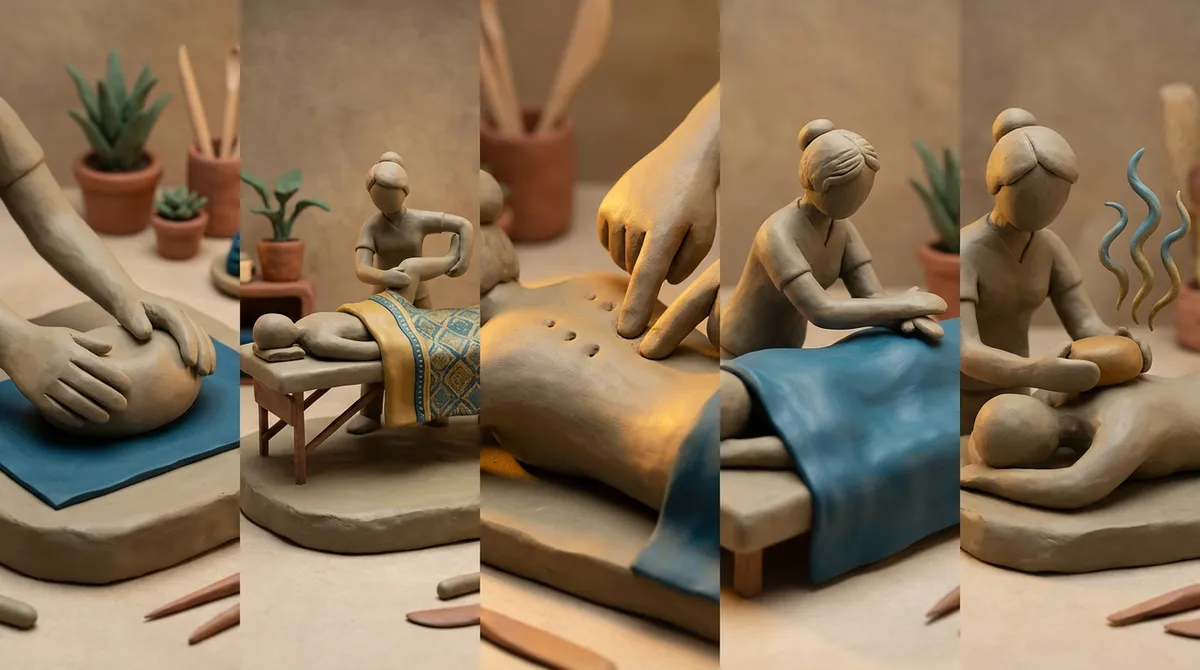
The Five Essential Techniques You’ll Experience
Every Swedish massage incorporates five fundamental techniques that work together to create a comprehensive therapeutic experience. Understanding these movements helps you appreciate what’s happening during your session and communicate better with your therapist about what feels best.
| Technique | Movement Style | Primary Benefit |
|---|---|---|
| Effleurage | Long, gliding strokes | Promotes relaxation and circulation |
| Petrissage | Kneading and lifting | Releases muscle knots and tension |
| Friction | Deep circular rubbing | Targets specific tight areas |
| Tapotement | Rhythmic tapping or percussion | Stimulates muscles and nerves |
| Vibration | Shaking or trembling movements | Loosens muscles and soothes nerves |
Effleurage: The Foundation of Every Session
Effleurage involves long, sweeping strokes that typically start and end your massage. Your therapist uses their palms, thumbs, or fingertips to glide smoothly across your skin, following the direction of blood flow toward your heart. This technique warms up your muscles and prepares your body for deeper work.
You’ll notice effleurage feels calming and rhythmic. It’s the technique that helps you transition from everyday stress into a relaxed state. The gentle pressure stimulates your nervous system to slow down, reducing cortisol levels and promoting a sense of peace.
Petrissage: Kneading Away the Tension
Think of petrissage as similar to kneading dough. Your therapist will use their hands to lift, squeeze, and roll your muscles, working deeper into the tissue layers. This technique is particularly effective for releasing stubborn knots and improving muscle flexibility.
Petrissage increases blood flow to specific areas, bringing fresh oxygen and nutrients while removing metabolic waste products. If you carry tension in your shoulders or lower back, you’ll likely feel significant relief during this phase of your massage.

Health Benefits That Go Beyond the Surface
Swedish massage offers numerous health benefits that extend well beyond temporary relaxation. Regular sessions can become an important part of your overall wellness strategy, addressing both physical and mental health needs.
The massage therapy for pain relief research shows consistent positive outcomes for people dealing with chronic discomfort. Let’s explore the specific ways Swedish massage supports your wellbeing.
Physical Health Improvements
One of the most immediate benefits is improved circulation. The stroking movements push blood through congested areas, helping your cardiovascular system function more efficiently. Better circulation means more oxygen reaching your cells and faster removal of metabolic waste.
Swedish massage also helps reduce muscle tension and soreness. Whether you’ve been sitting at a desk all day or pushing yourself through tough workouts, the kneading and friction techniques work out the tightness that builds up in your muscles. Many people report significant relief from chronic pain conditions after regular sessions.
Your flexibility and range of motion can improve as well. By working through muscle fibers and releasing adhesions, Swedish massage helps your body move more freely. This is particularly beneficial if you’ve noticed decreased mobility or stiffness in certain joints.
Mental and Emotional Wellness
The mental health benefits of Swedish massage are equally impressive. Research on massage therapy for mental health demonstrates significant reductions in anxiety and depression symptoms following regular massage sessions.
During your massage, your body releases endorphins—natural feel-good chemicals that elevate your mood and create a sense of wellbeing. At the same time, cortisol levels drop, reducing the physical effects of stress on your body. You’ll often leave your session feeling lighter, calmer, and more centered.
Sleep quality typically improves as well. Many people find they sleep more deeply and wake feeling more refreshed after receiving Swedish massage. The relaxation response triggered during your session can last for days, making it easier to manage daily stressors.
Preparing for Your First Swedish Massage Session
Getting ready for your first Swedish massage doesn’t require much preparation, but knowing what to expect can help you feel more comfortable and get the most from your experience. Let’s walk through the process step by step.
Before Your Appointment
First, avoid eating a heavy meal right before your massage. A light snack is fine, but a full stomach can make lying face-down uncomfortable. Drink plenty of water in the hours leading up to your appointment—hydrated muscles respond better to massage techniques.
Arrive a few minutes early so you’re not rushed. Take this time to use the restroom and settle your mind. If you’re working with Mobile Area Massage of Tampa Bay, they’ll come to you, so just ensure your space is comfortable and you have clean sheets available for the massage table.
Consider what you want to focus on during your session. Do you have specific areas of tension? Are you looking primarily for relaxation? Communicating your goals helps your therapist customize the treatment to your needs.
What to Wear and Bring
You’ll typically undress to your comfort level for a Swedish massage. Most people undress completely, but you can keep your underwear on if that makes you feel more comfortable. You’ll be properly draped with sheets throughout the session, with only the area being worked on exposed at any time.
If you have sensitive skin or allergies to certain oils or lotions, mention this to your therapist beforehand. They can adjust their products accordingly. Some people bring their own preferred massage oil or lotion, which is perfectly acceptable.
What Happens During Your Swedish Massage
Understanding the typical flow of a Swedish massage session helps you relax and know what’s coming next. While each therapist has their own style, most sessions follow a similar structure.
The Session Structure
Your massage typically begins with you lying face-down on a padded table. Your therapist will start with effleurage strokes to warm up your muscles, usually beginning with your back. They’ll gradually increase pressure as your muscles relax and become more pliable.
The session progresses systematically through different body areas. After your back, they’ll typically move to your legs, arms, and then have you flip over to work on your front side. The face-up portion includes your legs, arms, neck, and sometimes a gentle facial massage.
Here’s a typical session timeline:
- Initial consultation and goal-setting (5 minutes)
- Back, shoulders, and neck massage (15-20 minutes)
- Legs and feet while face-down (10-15 minutes)
- Flip over and work on front legs (10-15 minutes)
- Arms, hands, chest, and neck (10-15 minutes)
- Closing effleurage and transition (5 minutes)
Communicating with Your Therapist
Don’t hesitate to speak up during your session. If the pressure is too light or too firm, let your therapist know immediately. They can’t read your mind, and everyone’s tolerance for pressure differs. The goal is therapeutic benefit, not enduring discomfort.
If you feel cold or uncomfortable in any way, mention it. Your therapist can adjust the room temperature, add blankets, or reposition you for better comfort. Remember, this is your time to relax and heal—there’s no need to tough it out silently.
Some people prefer quiet during their massage, while others enjoy conversation. Both approaches are fine. Your therapist will take cues from you about how much talking feels right.
Maximizing Benefits After Your Session
The benefits of Swedish massage don’t stop when you get off the table. How you care for yourself in the hours and days following your session significantly impacts the lasting effects of your treatment.
Immediate Post-Massage Care
Drink plenty of water after your massage. The manipulation of your muscles releases metabolic waste products into your bloodstream, and water helps flush these toxins from your system. Aim for at least 16 ounces within the first hour after your session.
Take it easy for the rest of the day if possible. Your body has just been through a therapeutic process, and it needs time to integrate the changes. Avoid strenuous exercise or heavy lifting immediately after your massage. Gentle stretching or a short walk is fine, but save the intense workout for tomorrow.
Some people experience mild soreness the next day, similar to post-workout muscle fatigue. This is completely normal and usually indicates that your therapist worked through areas of significant tension. The soreness typically resolves within 24-48 hours.
Long-Term Integration into Your Wellness Routine
Consider scheduling regular sessions to maintain the benefits. Many people find that monthly Swedish massages help them manage stress and prevent muscle tension from building up. If you’re dealing with chronic pain or high stress levels, you might benefit from more frequent sessions initially—perhaps every two weeks.
Between professional massages, you can maintain some benefits with self-care practices. Gentle stretching, foam rolling, and applying heat to tight areas can extend the relief you experience. Taking regular breaks from sitting and practicing good posture also help prevent the muscle tension that necessitates massage in the first place.
Swedish Massage vs. Other Massage Styles
Understanding how Swedish massage compares to other popular techniques helps you choose the right treatment for your specific needs. While Swedish massage offers tremendous benefits, other styles might be more appropriate depending on your goals.
| Massage Type | Pressure Level | Best For |
|---|---|---|
| Swedish | Light to Medium | Relaxation, stress relief, overall wellness |
| Deep Tissue | Firm to Intense | Chronic pain, specific problem areas |
| Sports Massage | Medium to Firm | Athletic performance, injury prevention |
| Hot Stone | Light to Medium | Deep relaxation, cold weather relief |
When to Choose Swedish Over Deep Tissue
Swedish massage is ideal when you’re seeking overall relaxation and stress relief rather than targeting specific chronic pain points. If you’re new to massage therapy, Swedish is usually the best starting point because it introduces you to the experience without overwhelming your system with intense pressure.
Deep tissue massage works deeper into muscle layers and uses more intense pressure to address chronic tension patterns. While effective for specific problems, it can leave you feeling sore afterward and requires a higher pain tolerance during the session.
Many people alternate between Swedish and deep tissue depending on their current needs. After a stressful week, a relaxing Swedish session might be perfect. When dealing with a persistent knot in your shoulder, deep tissue might be more appropriate.
Finding the Right Therapist for Your Needs
The quality of your Swedish massage experience depends heavily on finding a skilled, licensed therapist who understands your needs. Here’s how to ensure you’re working with someone qualified.
Credentials and Licensing to Look For
Always verify that your massage therapist is licensed in your state. In Florida, therapists must hold a valid license from the Florida Department of Massage Therapy Mobile Endorsement, which ensures they’ve completed required training and passed competency exams.
Look for therapists with substantial experience in Swedish massage specifically. While all licensed massage therapists learn Swedish techniques, some specialize in other modalities. Ask potential therapists about their training and how often they perform Swedish massage.
Professional memberships can indicate a commitment to ongoing education and ethical practice. Many quality therapists belong to organizations that require continuing education credits to maintain membership.
Questions to Ask Before Booking
Before scheduling your first session, ask a few key questions:
- How long have you been practicing Swedish massage?
- What is your approach to customizing sessions for individual clients?
- Do you have experience working with my specific concerns (stress, tension, etc.)?
- What should I do to prepare for my session?
- What is your cancellation policy?
For business travelers in the Tampa Bay area, convenience matters as much as expertise. Mobile massage services eliminate travel time and allow you to relax in your own space. Check out the pricing options available for in-room hotel massage services.
Special Considerations and Who Should Avoid Swedish Massage
While Swedish massage is generally safe for most people, certain conditions require caution or modification. Being aware of these considerations helps you make informed decisions about your treatment.
When to Talk with Your Doctor First
If you have any of the following conditions, consult your healthcare provider before booking a Swedish massage:
- Recent surgery or injury
- Blood clotting disorders or taking blood thinners
- Severe osteoporosis
- Active cancer or undergoing cancer treatment
- Pregnancy (especially first trimester)
- Acute infectious disease or fever
This doesn’t necessarily mean you can’t receive massage—just that you need medical clearance and may require modifications to the standard protocol. Many people with chronic health conditions benefit greatly from Swedish massage when properly adapted to their situation.
Communicating Health Concerns
Always inform your massage therapist about any health conditions, injuries, or medications during your initial consultation. This information helps them customize your treatment for maximum safety and effectiveness. Professional therapists appreciate this transparency and will adjust their approach accordingly.
If you’re pregnant, mention this even if it’s early in your pregnancy. While massage can be wonderfully beneficial during pregnancy, certain positions and pressure points should be avoided, particularly in the first trimester.
Making Swedish Massage Part of Your Travel Routine
Business travelers face unique stressors—long flights, time zone changes, uncomfortable hotel beds, and back-to-back meetings. Incorporating Swedish massage into your travel routine can significantly improve how you feel and perform during trips.
Benefits for Business Travelers
The convenience of mobile massage services means you can receive treatment without adding another commitment to your already packed schedule. After a long day of meetings, a therapist comes directly to your hotel room with everything needed for a professional session.
Swedish massage helps counteract the physical effects of travel. Sitting for hours on planes or in conference rooms creates muscle tension, particularly in your neck, shoulders, and lower back. A 60 or 90-minute session can undo this accumulated tension and help you sleep better in an unfamiliar bed.
The stress-reducing benefits are particularly valuable when you need to perform at your best. Arriving at tomorrow’s presentation feeling refreshed and clear-headed can make a significant difference in your effectiveness.
If you’re staying in the Tampa Bay, Clearwater, or St. Pete area, you can easily request an appointment for in-room massage service that works around your meeting schedule.
Cost Considerations and Session Length Options
Understanding the investment involved in Swedish massage helps you budget appropriately and choose session lengths that match your needs and schedule.
Typical Session Lengths and Pricing
Swedish massage sessions typically come in three standard lengths:
- 30 minutes: Best for targeting one specific area or as a brief relaxation break
- 60 minutes: The most popular option, allowing full-body treatment
- 90 minutes: Provides extra time for thorough work on problem areas
Pricing varies based on location, therapist experience, and whether you’re receiving treatment at a spa or through a mobile service. Mobile services may include a travel fee but save you transportation time and allow you to relax immediately after your session.
First-time clients often wonder whether 60 or 90 minutes is better. If you’re new to massage, 60 minutes is usually sufficient and prevents overwhelming your system. As you become accustomed to regular massage, you might find 90 minutes allows for more comprehensive treatment.
Getting the Most Value from Your Investment
Many massage therapists offer package deals or membership programs that reduce the per-session cost when you commit to regular appointments. These programs can make ongoing massage therapy more affordable while ensuring you maintain consistent benefits.
Consider massage as preventive healthcare rather than a luxury. Regular sessions that keep you feeling good and functioning well can actually reduce healthcare costs by preventing stress-related illness and muscle injuries.
Your Path to Better Wellness Through Swedish Massage
Swedish massage offers a time-tested path to better physical and mental health. From its origins in 19th-century Europe to its status as the most popular massage style worldwide, it has proven its value for millions of people seeking relief from stress and muscle tension.
The five core techniques—effleurage, petrissage, friction, tapotement, and vibration—work together to promote circulation, release tension, and create a profound sense of relaxation. Whether you’re dealing with everyday stress, recovering from travel fatigue, or simply maintaining your overall wellness, Swedish massage provides benefits that extend well beyond your time on the table.
Remember that finding the right therapist and communicating your needs clearly makes all the difference in your experience. Don’t hesitate to ask questions, provide feedback during your session, and follow up with proper self-care afterward. The more you understand about Swedish massage and how it works, the better you can integrate it into your wellness routine.
For business travelers and locals in the Tampa Bay area, mobile massage brings these benefits directly to you, eliminating travel hassle and maximizing your relaxation time. With over 70 years of combined experience, Mobile Area Massage of Tampa Bay specializes in providing convenient, professional Swedish massage that fits your schedule and meets your specific needs. Visit our Google Business Profile to see what our clients are saying about their experiences.
Ready to experience the rejuvenating benefits of Swedish massage? Whether you’re dealing with stress, muscle tension, or simply want to maintain your wellness routine while traveling, professional massage therapy can make a significant difference in how you feel. Take the first step toward better health and relaxation by scheduling your session today through our contact page.
FAQs
Q: What should I expect during my first Swedish massage?
A: You’ll undress to your comfort level and lie on a padded table draped with sheets. Your therapist will use long, flowing strokes combined with kneading to work through major muscle groups, starting with your back. The session typically lasts 60-90 minutes, and you should feel relaxed throughout. Don’t hesitate to communicate if you need pressure adjustments or have any discomfort.
Q: How is Swedish massage different from deep tissue massage?
A: Swedish massage uses lighter to medium pressure with flowing strokes focused on overall relaxation and circulation. Deep tissue massage applies firmer, more intense pressure to target specific chronic pain points and work deeper into muscle layers. Swedish is gentler and better for stress relief, while deep tissue addresses specific problem areas but may cause temporary soreness.
Q: How often should I get Swedish massage for best results?
A: Most people benefit from monthly Swedish massage sessions for ongoing stress management and wellness maintenance. If you’re dealing with high stress levels or chronic muscle tension, you might start with sessions every two weeks until symptoms improve. Listen to your body and work with your therapist to determine the frequency that works best for your specific needs and goals.
Q: Can I get Swedish massage if I have a medical condition?
A: Swedish massage is generally safe, but certain conditions require medical clearance or treatment modifications. Consult your doctor before booking if you have recent injuries, blood clotting disorders, severe osteoporosis, active cancer, or are pregnant. Always inform your therapist about any health conditions or medications so they can adapt the treatment for your safety and maximum benefit.
Q: Will I be sore after a Swedish massage?
A: Most people feel relaxed and rejuvenated after Swedish massage, though some experience mild muscle soreness the next day, similar to post-workout fatigue. This is normal and typically indicates the therapist worked through areas of significant tension. The soreness usually resolves within 24-48 hours. Drinking plenty of water after your session helps minimize any discomfort and speeds recovery.