Key Takeaways
-
Reflexology uses targeted pressure on feet, hands, and ears to stimulate nerve pathways and promote holistic healing.
-
Consistent reflexology sessions can lower stress hormones, improve sleep quality, and enhance overall psychological well-being.
-
Basic foot reflexology techniques can be learned at home, requiring only gentle thumb pressure on specific body-mapped points.
-
Reflex points correspond to different body systems: toe tips relate to brain/head, foot arch connects to digestive organs, heel links to lower back.
-
Practitioners recommend 10-15 minute sessions 1-3 times weekly for general wellness and prevention of health issues.
-
Each reflex point should be pressed with comfortable pressure – enough to feel sensation, but never causing pain.
-
Hand and ear reflexology offer alternative techniques when foot access is limited, providing similar holistic health benefits.
-
Creating a calm environment with soft lighting, warm temperature, and minimal distractions enhances reflexology's effectiveness.
Have you ever wondered if pressing certain spots on your feet could actually make you feel better all over? It sounds almost too simple to be true, right? But reflexology has been helping people relax and feel healthier for thousands of years. This ancient practice involves applying gentle pressure to specific points on your feet, hands, or ears that connect to different parts of your body. Think of it as a roadmap where each spot tells a story about your health.
The beauty of reflexology is that you don’t need fancy equipment or a medical degree to benefit from it. You can learn some basic techniques and use them at home whenever you need to unwind. Whether you’re dealing with stress from work, struggling to sleep, or just want to feel more balanced, reflexology offers a natural approach that works with your body’s own healing systems. Let’s explore how you can tap into these benefits yourself.
Many people confuse reflexology with a regular foot massage, but there’s actually a big difference. While a foot massage feels great and helps your muscles relax, reflexology targets specific reflex points that correspond to your organs and body systems. It’s like having a control panel at your fingertips—or rather, at your feet. When you understand how these connections work, you can become your own wellness partner.
Ready to discover how gentle pressure on your feet can help you feel better from head to toe? Let’s walk through everything you need to know about reflexology, from the science behind it to practical techniques you can start using today. You might be surprised at how something so simple can make such a meaningful difference in how you feel.
Understanding How Reflexology Actually Works
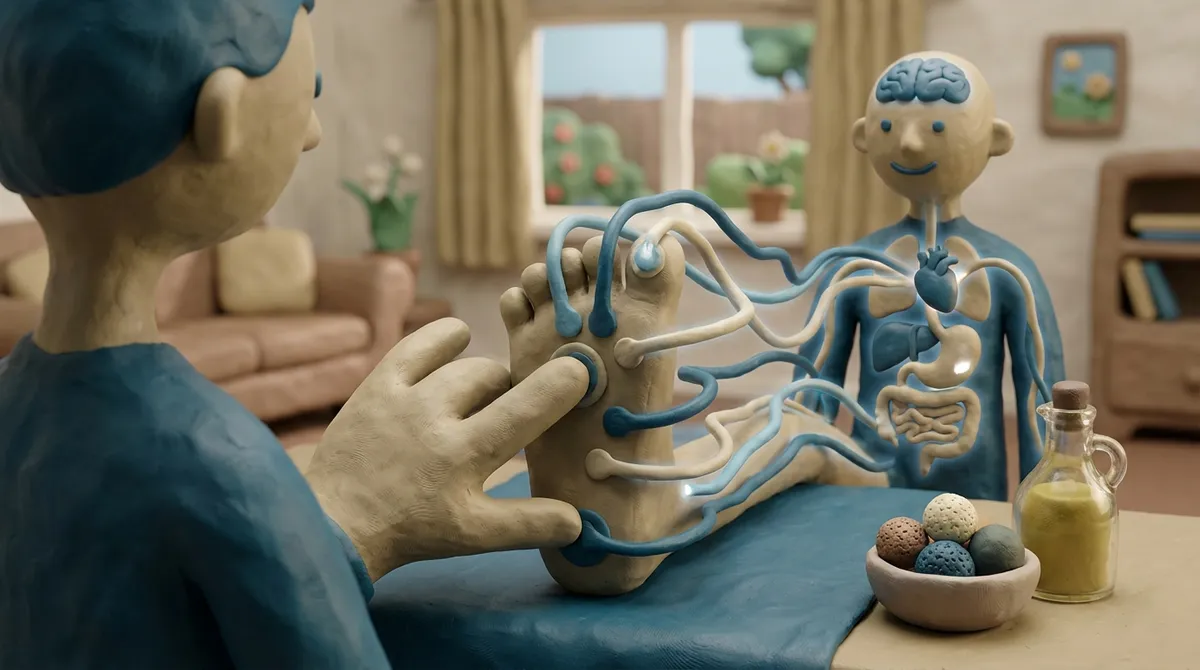
So what’s really happening when someone presses on your feet during a reflexology session? The answer involves your nervous system in fascinating ways. Your feet contain thousands of nerve endings—about 7,000 in each foot, to be exact. These nerves connect directly to your central nervous system, creating pathways that link your feet to every part of your body.
When a reflexologist applies pressure to specific points, it sends signals through your nervous system. These signals can trigger responses throughout your body, encouraging your systems to work better together. Scientists call this nerve stimulation, and it’s one of the main theories explaining why reflexology works. The pressure essentially wakes up these neural pathways and gets them communicating more effectively.
Another way reflexology helps is through something called the gate control theory of pain. This idea suggests that applying pressure to certain points can actually block pain signals from reaching your brain. It’s like closing a gate that prevents discomfort from getting through. This is why many people find relief from chronic pain through regular reflexology sessions.
Traditional Chinese medicine offers yet another perspective. According to this ancient wisdom, your body has an energy force called “qi” (pronounced “chee”) that flows through specific pathways. When this energy gets blocked or unbalanced, you might feel sick or stressed. Reflexology aims to restore balance to your energy flow, helping everything work as it should. Modern research continues to explore these connections between reflexology and overall wellness.
The Real Health Benefits You Can Expect
Let’s talk about what reflexology can actually do for you. The most immediate benefit most people notice is stress relief. When you’re stressed, your body produces a hormone called cortisol. Too much cortisol can mess with your sleep, mood, and even your immune system. Reflexology has been shown to lower cortisol levels, helping you feel calmer and more centered.
Researchers have looked at 17 different studies and found that reflexology consistently boosted psychological well-being and helped people manage various health conditions better. That’s pretty impressive evidence that this isn’t just a placebo effect. Your body genuinely responds to this targeted pressure in positive ways.
Many people turn to reflexology for better sleep, and there’s good reason why. When you’re relaxed and your nervous system is calm, falling asleep becomes easier. People who receive regular reflexology sessions often report sleeping more deeply and waking up feeling more refreshed. If you’ve been counting sheep night after night, this might be worth trying.
Pain relief is another major benefit. Whether you’re dealing with headaches, back pain, or discomfort from a chronic condition, reflexology can help. It doesn’t just mask the pain—it works with your body’s natural pain management systems to provide genuine relief. Plus, unlike pain medications, there are no side effects to worry about.
Improved circulation is another bonus. When blood flows better throughout your body, oxygen and nutrients reach your cells more efficiently. This can boost your energy levels, improve your skin, and help your body heal faster from injuries or illness. Better circulation also means your body can clear out toxins and waste products more effectively.
Mental Clarity and Emotional Balance
Have you ever felt foggy or unable to focus? Reflexology might help clear that mental haze. When your body is relaxed and your systems are working harmoniously, your mind often follows suit. People report feeling sharper, more creative, and better able to handle mental challenges after reflexology sessions.
The emotional benefits shouldn’t be overlooked either. Reflexology takes a holistic approach, addressing your body, mind, emotions, and spirit together. This comprehensive care can help you feel more balanced emotionally, better able to handle life’s ups and downs with grace.
Learning the Basic Reflexology Points on Your Feet
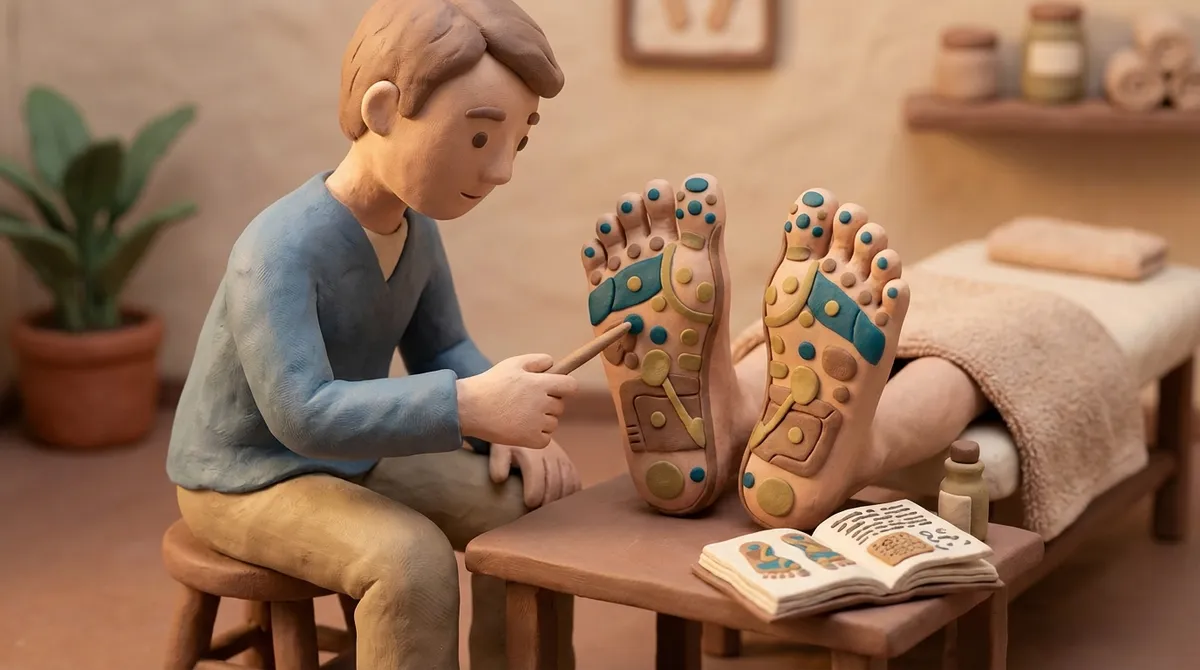
Your feet contain a detailed map of your entire body. The tips of your toes correspond to your head and brain, while the ball of your foot relates to your chest and lungs. Moving down, the arch of your foot connects to your digestive organs, and your heel relates to your lower back and intestines. The inner edge of your foot corresponds to your spine, while the outer edge relates to your arms, shoulders, hips, and legs.
Let’s break this down into specific areas you can work with at home. The big toe is particularly important—it relates to your head, brain, pituitary gland, and hypothalamus. If you suffer from headaches or need mental clarity, spending time on your big toe can help. The other four toes connect to your sinuses, eyes, and ears.
The area just below your toes, called the ball of your foot, corresponds to your heart and lungs. If you’re feeling anxious or your breathing feels tight, gentle pressure here can provide relief. Many people with American Massage Therapy Association recommend combining reflexology with other massage techniques for comprehensive stress management.
The arch of your foot is packed with important reflex points. The upper arch relates to your liver, gallbladder, and stomach, while the lower arch corresponds to your intestines and colon. If you’re experiencing digestive issues, working this area can sometimes bring surprising relief. The heel connects to your sciatic nerve and lower back—crucial if you spend lots of time sitting or dealing with lower back pain.
Hand and Ear Reflexology Points
While feet get most of the attention, your hands and ears also contain valuable reflex points. Hand reflexology is especially convenient because you can work on your hands anywhere—at your desk, watching TV, or even during a meeting (subtly, of course). The layout is similar to your feet, with your fingertips relating to your head and the palm corresponding to your organs.
Ear reflexology is less well-known but equally powerful. Your ears contain points that relate to your entire body in a pattern that resembles an upside-down fetus. Auricular reflexology, as it’s called, can be particularly effective for pain relief and stress reduction.
Simple Techniques to Get Started Today
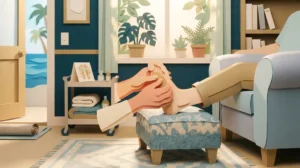
Ready to try reflexology yourself? You don’t need any special training to start experiencing benefits. Find a comfortable, quiet place where you can sit and reach your feet easily. Some people prefer sitting on a couch with one foot crossed over the opposite knee, while others like sitting in a chair with their foot propped on a small stool.
Start by warming up your feet. Use your hands to gently massage each foot, helping the muscles relax and preparing the reflex points for deeper work. This is like stretching before exercise—it gets everything ready for the main event. Take your time with this step; there’s no rush.
When you’re ready to work specific points, use your thumb to apply pressure. The basic technique involves pressing your thumb into a reflex point and holding for 5-10 seconds, then releasing. Some people prefer a “walking” motion, where you bend and unbend your thumb in small increments, like a caterpillar moving across your foot. Either approach works fine—choose what feels most comfortable to you.
How much pressure should you use? This is important. You want enough pressure to feel something happening—a slight tenderness or sensation—but not so much that it hurts. Reflexology should never be painful. If you hit a spot that feels particularly tender, that might indicate an imbalance in the corresponding body area. Spend a little extra time there, but back off if the pressure becomes uncomfortable.
A Basic Reflexology Routine for Beginners
Here’s a simple routine you can follow at home. This takes about 15-20 minutes per session:
- Warm up both feet with gentle massage for 2-3 minutes
- Work your toes one by one, gently pulling and rotating each toe
- Use your thumb to “walk” across the ball of your foot several times
- Apply pressure along the arch of your foot from top to bottom
- Work your heel with circular motions using your knuckles
- Finish by massaging your ankle and the top of your foot
- Repeat everything on your other foot
Some people like to use a little coconut oil or lotion to help their hands glide smoothly. This isn’t necessary, but it can make the experience more pleasant. You might also consider playing calming music or dimming the lights to create a more relaxing atmosphere.
Creating the Right Environment for Your Practice
The setting matters more than you might think. Reflexology works best when you’re relaxed, and your environment plays a big role in that. Choose a space where you won’t be interrupted. Turn off your phone or at least silence notifications. This is your time to focus on your well-being.
Temperature is worth considering too. If your feet are cold, warm them up first. Cold feet have restricted blood flow, which makes reflexology less effective. You might soak your feet in warm water for a few minutes before starting, or simply wear warm socks until you’re ready to begin.
Lighting can affect your relaxation level significantly. Harsh overhead lights aren’t ideal—they can make it harder to unwind. Try using softer lighting from a lamp, or if you’re practicing in the evening, candlelight can create a peaceful ambiance. Just make sure you can still see what you’re doing.
Think about incorporating other sensory elements. A few drops of lavender essential oil in a diffuser can enhance relaxation. Gentle background music or nature sounds can help you disconnect from daily stress. Some people find guided meditation recordings helpful during their reflexology practice.
When and How Often Should You Practice
Timing can make a difference in your results. Many people find reflexology most beneficial in the evening, as part of their wind-down routine before bed. The relaxation effects can help you transition into sleep mode. That said, morning reflexology can be energizing, setting a positive tone for your day ahead.
How often should you practice? This depends on your goals. If you’re dealing with a specific issue like chronic pain or high stress, daily sessions might be helpful initially. Once things improve, you can scale back to a few times per week. For general wellness and prevention, even once a week can provide benefits.
Each session doesn’t need to be lengthy. Even 10-15 minutes can make a difference if you’re consistent. Think of it like brushing your teeth—a short daily practice beats an occasional marathon session. That said, if you have time for a longer 30-45 minute session occasionally, go for it. Your body will thank you.
Listen to what your body tells you. If you’re feeling particularly stressed or noticing specific symptoms, that’s a good time for a reflexology session. You don’t need to wait for a scheduled time if your body is asking for help right now. Flexibility is one of the benefits of learning these techniques yourself.
Combining Reflexology with Other Wellness Practices
Reflexology works wonderfully on its own, but it can also complement other self-care practices. Many people combine it with meditation, spending time working their reflex points while focusing on their breath. This combination can deepen your relaxation significantly.
You might also pair reflexology with a warm bath. Do your session after soaking, when your muscles are already relaxed and your circulation is enhanced. Or try gentle yoga or stretching before reflexology—the movement prepares your body to receive the benefits more fully.
If you work with healthcare providers for specific conditions, let them know you’re practicing reflexology. It can complement traditional treatments for things like anxiety, chronic pain, or sleep issues. Services like those offered by Mobile Area Massage of Tampa Bay often incorporate reflexology techniques into comprehensive massage therapy sessions for even greater benefits.
Recognizing When to Seek Professional Help
While self-practice is valuable, sometimes professional reflexology sessions offer advantages you can’t replicate at home. A trained reflexologist has deeper knowledge of the reflex points and can apply techniques more effectively than most beginners. They can also identify areas of concern you might miss.
Consider seeing a professional reflexologist if you’re dealing with a chronic health condition, recovering from injury, or not getting the results you hoped for from self-practice. They can create a treatment plan tailored to your specific needs. Think of it like the difference between cooking at home and having a chef prepare your meal—both feed you, but the expertise level differs.
Professional sessions also provide a deeper level of relaxation because you don’t have to do any work. You can simply receive the treatment and let your mind drift. This passive relaxation has its own benefits, especially if you’re dealing with high stress levels or burnout.
When choosing a reflexologist, look for proper certification and training. Ask about their experience with your specific concerns. A good reflexologist will take time to understand your health history and goals before starting treatment. They should also explain what they’re doing and why, helping you learn more about your own body in the process.
What to Expect from Professional Sessions
Your first professional reflexology appointment will typically start with a consultation. The reflexologist will ask about your health history, current concerns, and what you hope to achieve. Be honest and thorough—this information helps them provide better care.
During the session, you’ll usually sit in a comfortable reclining chair with your feet accessible. The reflexologist will examine your feet, looking for areas of tension, unusual texture, or temperature differences. These clues help them understand what’s happening in your body.
The treatment itself typically lasts 45-60 minutes. You might feel various sensations—tingling, warmth, or slight tenderness in certain spots. Some people feel very relaxed and even fall asleep during sessions. Others feel energized. Both responses are normal and healthy.
After your session, drink plenty of water. Reflexology can release toxins that have been stored in your body, and water helps flush these out. You might feel slightly tired or emotional for a day or two after your first session—this is your body adjusting and processing the treatment.
Understanding the Science Behind the Practice
You might wonder whether reflexology is scientifically proven or just based on ancient beliefs. The truth lies somewhere in between. While reflexology has been practiced for thousands of years, modern research is catching up with evidence-based studies.
Recent scientific investigations into foot reflexology demonstrate moderating effects on anxiety, fatigue, and even cancer symptoms. These aren’t small, questionable studies either—researchers are conducting rigorous trials to understand exactly how and why reflexology works. The evidence continues to grow stronger.
The neurological connections are real and measurable. Studies using brain imaging have shown that stimulating specific points on the feet does activate corresponding areas in the brain. For example, working reflex points related to the eyes actually lights up the visual cortex on brain scans. This provides concrete evidence that these connections exist.
That said, reflexology isn’t a cure-all or a replacement for medical treatment. Think of it as a complementary approach that works alongside conventional medicine. It’s particularly valuable for managing symptoms, reducing stress, and supporting your body’s natural healing processes. The massage therapy for pain relief literature shows similar patterns—these hands-on therapies provide real benefits that complement medical care.
The Historical Roots of Modern Reflexology
Reflexology isn’t some new-age invention—it has deep historical roots across multiple cultures. Ancient Egyptians practiced a form of reflexology over 4,000 years ago, as depicted in tomb paintings. Traditional Chinese medicine has incorporated foot therapy for thousands of years as part of its holistic approach to health.
Modern reflexology as we know it developed in the early 1900s, building on zone therapy research by Sir Henry Head and Sir Charles Sherrington. They studied the neurological connections between the skin and internal organs, laying scientific groundwork for reflexology practices.
American physician Dr. William Fitzgerald further developed zone therapy in the 1910s, dividing the body into ten vertical zones. Physical therapist Eunice Ingham refined these concepts in the 1930s and 1940s, creating the detailed foot maps reflexologists use today. She’s often called the mother of modern reflexology.
This blend of ancient wisdom and modern research makes reflexology unique. It honors traditional healing practices while continuing to evolve based on scientific understanding. You’re tapping into thousands of years of human knowledge when you practice reflexology.
Common Mistakes to Avoid
Even though reflexology is generally safe, there are some pitfalls to watch out for. The biggest mistake beginners make is using too much pressure. Remember, reflexology isn’t about digging in as hard as possible. Gentle, sustained pressure works better than aggressive jabbing. Your body responds better to invitation than force.
Another common error is rushing through the process. Reflexology is about quality, not speed. If you’re hurrying through your session just to check it off your to-do list, you’re missing the point. Slow down. Breathe. Give your body time to respond to what you’re doing.
Some people focus exclusively on areas that hurt, thinking they’re fixing problems. While tender spots do indicate imbalances worth addressing, you shouldn’t ignore the rest of your feet. A comprehensive approach that works all areas provides better overall results. Balance is key.
Inconsistency is another issue. Doing reflexology once and expecting dramatic results sets you up for disappointment. Like most wellness practices, the benefits build over time with regular practice. Commit to consistency rather than perfection.
Safety Considerations and Contraindications
Reflexology is very safe for most people, but there are times when you should skip it or modify your approach. If you have any foot injuries, wounds, or infections, wait until they heal completely before practicing. You don’t want to introduce bacteria deeper into tissue or aggravate injuries.
Pregnant women should be cautious, especially during the first trimester. Some reflex points can potentially stimulate uterine contractions. If you’re pregnant and interested in reflexology, work with a professional who has training in prenatal reflexology.
People with blood clots, severe circulatory problems, or certain heart conditions should consult their doctor before trying reflexology. The increased circulation could potentially cause complications in these cases. Better safe than sorry.
If you have diabetes with neuropathy (nerve damage in your feet), be extra gentle and watch for any signs of injury. Reduced sensation means you might not feel if you’re pressing too hard or causing damage.
Making Reflexology Part of Your Lifestyle
The real magic happens when reflexology becomes a regular part of your self-care routine rather than something you do occasionally. Think about how you might incorporate it naturally into your existing habits. Maybe you practice while watching TV in the evening, or spend a few minutes on your feet after your morning shower.
Some people create a ritual around their reflexology practice. They might light a candle, put on specific music, or use a special foot cream that signals to their brain “this is relaxation time.” These rituals can enhance the psychological benefits and make you more likely to stick with the practice.
Consider teaching family members or friends some basic techniques so you can practice on each other. Partner reflexology can be a wonderful way to connect while supporting each other’s wellness. It’s hard to reach all the points on your own feet comfortably, so having someone help can be valuable.
Keep a simple journal tracking how you feel before and after sessions. You might notice patterns—maybe reflexology helps most when you do it before bed, or perhaps working certain points consistently improves specific symptoms. These insights help you personalize your practice for maximum benefit.
Tracking Your Progress and Results
How will you know if reflexology is working? Pay attention to subtle changes. You might sleep better, feel less stressed, or notice that your chronic headaches are less frequent. These improvements often happen gradually, so tracking helps you see the bigger picture.
Create a simple rating system for yourself. Before each session, rate your stress level, pain level, or whatever you’re trying to improve on a scale of 1-10. Do the same after your session. Over weeks and months, you’ll see trends that show you whether your practice is helping.
Physical changes can be telling too. Are your feet more flexible? Do the tender spots hurt less when you press them? Is your overall energy level better? All these signs indicate that your body is responding positively to the work you’re doing.
Taking Your Reflexology Practice Further
Once you’ve mastered the basics, you might want to explore more advanced techniques. Books and online courses can teach you more detailed mappings and specialized approaches for specific conditions. The learning never really ends—there’s always more to discover about how your body works.
Some practitioners incorporate tools like reflexology sticks or balls to enhance their practice. These can help you reach certain points more effectively or apply sustained pressure without tiring your hands. Just remember that tools are optional—your hands are your most important and effective equipment.
Consider attending workshops or classes in your area. Learning in person allows you to get feedback on your technique and ask questions specific to your situation. You’ll also meet others interested in reflexology, creating a supportive community around your practice.
Mobile Area Massage of Tampa Bay offers professional massage services that often incorporate reflexology techniques alongside other therapeutic modalities. Combining professional sessions with your home practice can accelerate your results and deepen your understanding of what’s possible.
If reflexology really resonates with you, you might eventually consider professional training. Many people start practicing for themselves and then feel called to share these benefits with others. Certification programs exist at various levels, from basic workshops to comprehensive professional training.
Your Journey to Better Well-Being Starts Now
You’ve learned a lot about reflexology—from the science behind it to practical techniques you can use today. The beautiful thing is that you don’t need to be an expert to start experiencing benefits. Even simple, basic reflexology practice can make a meaningful difference in how you feel.
Remember that reflexology is just one tool in your wellness toolkit. It works best when combined with other healthy habits like good sleep, nutritious food, regular movement, and stress management. Think of it as part of a comprehensive approach to taking care of yourself.
The most important step is simply starting. Set aside 15 minutes today to try some of the techniques you’ve learned. Notice how your feet feel before you begin and again when you finish. Pay attention to any changes in your stress level, your breathing, or your overall sense of well-being.
Be patient with yourself as you learn. Your first few sessions might feel awkward or uncertain. That’s completely normal. Like any new skill, reflexology gets easier and more intuitive with practice. Trust your hands and listen to your body—they’ll guide you toward what feels right.
Ready to experience the benefits of professional reflexology combined with comprehensive massage therapy? Request an appointment with Mobile Area Massage of Tampa Bay and discover how expert touch can enhance your wellness journey. Our experienced therapists bring personalized care right to your door, making it easier than ever to prioritize your well-being. You can also visit us on Google to read reviews from others who’ve experienced the transformative benefits of professional massage therapy.
FAQs
Q: What’s the difference between reflexology and a regular foot massage?
A: While a foot massage focuses on relaxing muscles and feels generally soothing, reflexology targets specific reflex points that correspond to organs and body systems throughout your body. Reflexology uses a detailed map of pressure points and applies targeted pressure to promote healing and balance in corresponding areas, whereas a regular massage primarily works on muscle tension and circulation in the feet themselves.
Q: How long does it take to see results from reflexology?
A: Many people feel immediate relaxation and stress relief after their first session, but deeper benefits like improved sleep, pain reduction, or better energy levels typically build over time. You might notice meaningful changes after 3-4 consistent sessions. For chronic conditions, regular practice over several weeks or months often yields the best results. Think of it like exercise—one workout helps, but consistent practice transforms your well-being.
Q: Can I hurt myself practicing reflexology at home?
A: Reflexology is very safe when done correctly with moderate pressure. The main thing to avoid is pressing too hard—you should feel sensation but never pain. Skip reflexology if you have foot injuries, wounds, or infections. Pregnant women should be cautious and consult a professional. People with blood clots, severe circulatory issues, or diabetes with neuropathy should talk to their doctor before starting. When in doubt, gentle pressure is always safer.
Q: Do I need any special equipment to practice reflexology?
A: Nope! Your thumbs and hands are all you really need to get started. Some people like using a little coconut oil or lotion to help their hands glide smoothly, but that’s optional. Once you’re comfortable with the basics, you might explore tools like reflexology sticks or balls, but these are extras, not necessities. The beauty of reflexology is its simplicity—you can practice anytime, anywhere, without spending money on equipment.
Q: Which reflex points should I focus on for stress and anxiety?
A: For stress and anxiety, spend time on your big toe (relates to your head and brain), the ball of your foot (corresponds to your chest, heart, and lungs), and your solar plexus point (located in the center of the upper arch). Also work the area around your heel, which connects to your lower back where many people hold tension. A comprehensive session working all areas provides the best stress relief, but these specific points can offer quick relief when you’re feeling particularly anxious or overwhelmed.