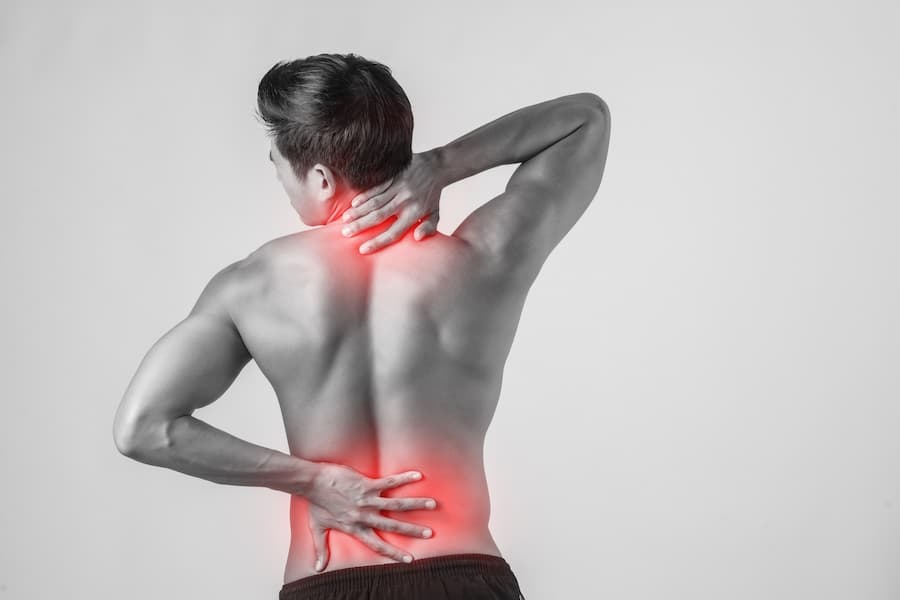
Discover how massage therapy for chronic pain provides lasting relief and enhances your quality of life. Book your session now!
The Science Behind Massage Therapy for Chronic Pain
How Massage Therapy Alleviates Pain
Massage therapy alleviates pain by increasing blood circulation and oxygen flow to the affected areas. This process helps to reduce inflammation and promote healing. Additionally, the manipulation of muscles and soft tissues releases tension, leading to reduced pain and improved flexibility. The rhythmic movements and pressure applied during a massage can also stimulate the release of endorphins, the body’s natural painkillers, further enhancing the pain relief experience.
Key Components of Effective Massage Therapy
Effective massage therapy for chronic pain involves a combination of techniques tailored to the individual’s specific needs. This includes the appropriate use of pressure, which can range from light to deep, depending on the client’s tolerance and the severity of their pain. Skilled therapists also incorporate techniques such as kneading, tapping, and stretching to target and release tight muscles and knots. Communication between the therapist and client is crucial to ensure that the pressure and techniques used are effective and comfortable.
Scientific Studies Supporting Massage Therapy
Numerous scientific studies have demonstrated the effectiveness of massage therapy in managing chronic pain. Research published in journals such as Pain Medicine and The Journal of Clinical Rheumatology has shown significant reductions in pain and improvements in function among patients receiving regular massage therapy. These studies highlight the benefits of massage therapy for conditions like fibromyalgia, lower back pain, and osteoarthritis, confirming its role as a valuable component of chronic pain management.
The Role of Endorphins and Stress Reduction
Endorphins, often referred to as the body’s natural painkillers, play a significant role in the pain relief experienced during massage therapy. The release of these chemicals during a massage not only helps to alleviate pain but also induces a sense of well-being and relaxation. Moreover, massage therapy reduces stress by lowering cortisol levels, which can exacerbate pain. By promoting relaxation and reducing stress, massage therapy helps to break the cycle of chronic pain and stress, leading to more effective pain management.
Impact on Muscle Tension and Flexibility
Massage therapy directly addresses muscle tension, a common contributor to chronic pain. Through various techniques, therapists can target specific muscle groups, easing tension and improving flexibility. This not only reduces pain but also enhances overall mobility. Regular massage therapy sessions can help maintain this increased flexibility, preventing future pain episodes and promoting a more active lifestyle.
Long-term Benefits of Regular Massage Therapy
The long-term benefits of regular massage therapy extend beyond immediate pain relief. Consistent sessions can lead to sustained improvements in pain levels, mobility, and overall quality of life. Over time, clients often experience reduced reliance on pain medications and an enhanced ability to engage in daily activities. Furthermore, the ongoing stress relief provided by regular massage therapy supports overall mental and emotional well-being, contributing to a holistic approach to chronic pain management.
Types of Massage Therapy for Chronic Pain
Swedish Massage
Swedish massage is a gentle, full-body massage designed to relax muscles and improve circulation. It uses long, flowing strokes, kneading, and circular movements on the superficial layers of muscle. This type of massage is ideal for individuals looking to alleviate general discomfort and stress-related pain. It promotes relaxation and can help reduce muscle tension, making it a good starting point for those new to massage therapy for chronic pain.
Deep Tissue Massage
Deep tissue massage targets deeper layers of muscles and connective tissue. It’s particularly beneficial for chronic aches and pain, as well as contracted areas such as a stiff neck and upper back, low back pain, and sore shoulders. This technique uses slower strokes and deeper pressure to reach the sub-layer of muscles and fascia. Deep tissue massage helps to break up scar tissue and reduce muscle tension, improving range of motion and promoting healing.
Trigger Point Therapy
Trigger point therapy focuses on specific tight areas within muscle tissue that cause pain in other parts of the body. These “trigger points” can result in referred pain, which is pain felt in a different area than the source. The therapist applies pressure to these points to alleviate the pain and release tension. This therapy is effective for addressing chronic pain conditions such as tension headaches, fibromyalgia, and myofascial pain syndrome.
Myofascial Release
Myofascial release involves applying gentle, sustained pressure into the myofascial connective tissue restrictions to eliminate pain and restore motion. This technique targets the fascia, the connective tissue that surrounds and supports muscles and organs. By releasing tension in the fascia, this therapy helps to relieve chronic pain and improve flexibility and function. It’s particularly beneficial for conditions like chronic back pain, fibromyalgia, and plantar fasciitis.
Reflexology
Reflexology is a type of massage that involves applying different amounts of pressure to the feet, hands, and ears. It’s based on a theory that these body parts are connected to certain organs and body systems. Reflexology can help alleviate pain by promoting relaxation and improving circulation. It is particularly effective for reducing stress and anxiety, which can exacerbate chronic pain, and is often used as a complementary therapy for various chronic pain conditions.
Hot Stone Therapy
Hot stone therapy involves the use of smooth, heated stones placed on specific parts of the body. The heat from the stones helps to relax muscles and improve blood flow to the affected areas. This therapy can be particularly effective for chronic pain sufferers as it allows for deeper muscle relaxation and pain relief. The warmth of the stones combined with therapeutic massage techniques helps to ease muscle stiffness and increase circulation, providing a soothing and effective pain management solution.
Benefits of Massage Therapy for Chronic Pain
Pain Reduction and Management
Massage therapy offers significant pain reduction and management for chronic pain sufferers. Through targeted techniques, therapists can address specific pain points, alleviating discomfort and improving overall well-being. The manipulation of muscles and tissues increases blood flow and reduces inflammation, which are crucial in managing chronic pain. Clients often experience immediate relief, with continued sessions providing long-term benefits.
Enhanced Mobility and Flexibility
One of the primary benefits of massage therapy is the enhancement of mobility and flexibility. Chronic pain often restricts movement and leads to muscle stiffness. Regular massage therapy helps to loosen tight muscles, improve joint flexibility, and increase range of motion. This not only alleviates pain but also enhances the ability to perform daily activities, leading to a more active and fulfilling life.
Improved Sleep Quality
Chronic pain can severely disrupt sleep patterns, leading to further health complications. Massage therapy promotes relaxation and reduces pain, making it easier for clients to fall asleep and stay asleep. Improved sleep quality is essential for overall health and well-being, as it allows the body to heal and recover more effectively. Many clients report better sleep patterns and a significant reduction in sleep disturbances following regular massage sessions.
Reduced Anxiety and Depression
Living with chronic pain can take a toll on mental health, often leading to anxiety and depression. Massage therapy helps to alleviate these symptoms by promoting relaxation and reducing stress. The release of endorphins during a massage not only reduces pain but also enhances mood, providing a natural way to combat anxiety and depression. Clients often feel a sense of well-being and improved mental clarity after a massage.
Better Circulation
Improved circulation is another key benefit of massage therapy for chronic pain. Enhanced blood flow ensures that oxygen and nutrients are efficiently delivered to muscles and tissues, promoting healing and reducing pain. Better circulation also helps to remove toxins and waste products from the body, which can contribute to pain and inflammation. Regular massage therapy supports overall cardiovascular health and boosts the body’s natural healing processes.
Overall Quality of Life Improvement
The cumulative benefits of massage therapy lead to an overall improvement in quality of life. By managing pain, enhancing mobility, improving sleep, and reducing stress, clients can enjoy a more active and satisfying lifestyle. The holistic approach of massage therapy addresses both physical and mental well-being, making it an essential part of chronic pain management. Many clients find that regular massage therapy sessions significantly enhance their daily lives and overall happiness.
Choosing the Right Massage Therapist
Credentials and Experience
Selecting a massage therapist with the proper credentials and extensive experience is crucial for effective chronic pain management. Look for therapists who are licensed and have specialized training in therapeutic massage techniques. Their expertise in dealing with chronic pain conditions ensures that you receive safe and effective treatment tailored to your needs. Experienced therapists can also adapt their techniques to address specific pain points, providing personalized care.
Specialization in Chronic Pain
A therapist who specializes in chronic pain management is more likely to understand the complexities of your condition. These specialists have in-depth knowledge of pain physiology and are trained in advanced techniques that can alleviate chronic pain. They are also adept at identifying the root causes of pain and developing comprehensive treatment plans that address both symptoms and underlying issues. This specialized focus ensures that you receive the most effective and targeted care.
Client Reviews and Testimonials
Reading client reviews and testimonials can provide valuable insights into the effectiveness of a massage therapist. Positive feedback from clients who have experienced relief from chronic pain can help you make an informed decision. Look for reviews that mention specific pain conditions similar to yours and note any recurring themes of satisfaction with the therapist’s approach and results. Testimonials can also highlight the therapist’s professionalism, empathy, and overall client experience.
Consultation Process
A thorough consultation process is a sign of a dedicated and professional massage therapist. During the initial consultation, the therapist should take the time to understand your medical history, pain levels, and treatment goals. This includes discussing any specific pain points, previous treatments, and lifestyle factors that may impact your pain. A detailed consultation allows the therapist to create a customized treatment plan that addresses your unique needs and maximizes the benefits of each session.
Personalized Treatment Plans
Effective chronic pain management requires personalized treatment plans tailored to the individual’s condition and response to therapy. A skilled therapist will continually assess your progress and adjust the treatment plan as needed. This might involve changing techniques, modifying pressure levels, or incorporating new methods to enhance results. Personalized plans ensure that each session is optimized for your specific pain relief and overall well-being.
Safety and Hygiene Practices
Ensuring that your massage therapist adheres to strict safety and hygiene practices is essential for a safe and comfortable experience. The therapist should follow standard protocols such as sanitizing equipment, using fresh linens, and maintaining a clean treatment environment. Additionally, they should be knowledgeable about contraindications and take necessary precautions to avoid any adverse effects during treatment. High standards of safety and hygiene reflect the therapist’s professionalism and commitment to client health.
Preparing for Your Massage Therapy Session
What to Wear and Bring
When preparing for a massage therapy session, wear comfortable, loose-fitting clothing that is easy to remove. Many clients prefer to undress to their comfort level, typically leaving on underwear. It’s also a good idea to bring a water bottle to stay hydrated before and after the session. Hydration helps flush out toxins released during the massage, aiding in the healing process. Don’t forget to bring any medical information or notes from your doctor if you have specific health conditions that need to be addressed.
Dietary Considerations
Before your massage, it’s best to avoid heavy meals and alcohol. Eating a light snack about an hour before your session can prevent discomfort while lying on the massage table. Avoid caffeine as it can increase muscle tension and counteract the relaxation benefits of the massage. Post-massage, focus on hydrating well and eating a balanced meal rich in nutrients to support your body’s recovery and enhance the benefits of the therapy.
Communicating Your Pain Points
Effective communication with your therapist is key to a successful massage therapy session. Before the session begins, clearly explain your chronic pain areas, their intensity, and any specific concerns you have. Don’t hesitate to speak up during the massage if the pressure is too intense or if you feel discomfort. Your feedback helps the therapist adjust their techniques to better suit your needs, ensuring that you get the most out of your session.
Setting Realistic Expectations
Understanding what to expect from your massage therapy session can help set realistic expectations. While some pain relief may be immediate, chronic pain often requires multiple sessions to achieve significant improvement. Discuss your goals with your therapist and develop a treatment plan that outlines the frequency and duration of sessions needed for optimal results. Remember that massage therapy is a gradual process, and patience is key to long-term pain management.
Relaxation Techniques Pre-Session
Incorporating relaxation techniques before your massage can enhance the overall experience. Simple practices like deep breathing, meditation, or gentle stretching can help prepare your body and mind for the session. Arrive a few minutes early to the appointment to relax and transition from your daily activities to a state of calm. This pre-session relaxation can make the massage more effective and enjoyable.
Understanding Post-Session Care
After your massage, it’s important to follow post-session care instructions to maximize the benefits. Drink plenty of water to help flush out toxins and reduce soreness. Avoid strenuous activities immediately after the session, as your muscles need time to recover. Light stretching and moderate movement can help maintain the increased flexibility and relaxation achieved during the massage. If you experience any discomfort, a warm bath or gentle heat application can provide relief.
Integrating Massage Therapy with Other Treatments
Working with Healthcare Providers
Integrating massage therapy with other treatments begins with collaborating with your healthcare providers. Inform your primary care physician or specialist about your decision to incorporate massage therapy into your pain management plan. This open communication ensures that all treatments are aligned and can work together effectively. Your doctor can provide valuable insights and guidelines to enhance the benefits of massage therapy while monitoring your overall health condition.
Combining Massage with Physical Therapy
Combining massage therapy with physical therapy can significantly enhance the outcomes for chronic pain management. While physical therapy focuses on improving strength, flexibility, and function through exercises and movement, massage therapy addresses muscle tension and pain. Together, these therapies offer a comprehensive approach to pain relief and rehabilitation. Regular sessions of both therapies can help speed up recovery and maintain long-term pain relief.
Role of Exercise and Diet
Exercise and diet play a crucial role in complementing massage therapy for chronic pain. Regular physical activity helps keep muscles flexible and strong, reducing the likelihood of pain recurrence. Gentle exercises like yoga, swimming, or walking can be particularly beneficial. Additionally, a balanced diet rich in anti-inflammatory foods supports overall health and can reduce pain. Incorporating plenty of fruits, vegetables, whole grains, and lean proteins can enhance the healing process.
Use of Pain Medications
For many chronic pain sufferers, pain medications are a necessary part of their treatment plan. Integrating massage therapy can reduce the reliance on these medications over time. Regular massage sessions can alleviate pain and promote relaxation, potentially decreasing the need for high doses of painkillers. Always discuss any changes to your medication regimen with your healthcare provider to ensure safe and effective pain management.
Alternative Therapies to Consider
In addition to massage therapy, several other alternative therapies can complement your chronic pain management plan. Techniques such as acupuncture, chiropractic care, and mindfulness meditation can provide additional relief and improve overall well-being. Exploring these therapies in conjunction with massage can offer a holistic approach to managing chronic pain, addressing both physical and mental aspects of health.
Monitoring and Adjusting Treatment Plans
Effective pain management requires continuous monitoring and adjustment of treatment plans. Regularly assess your pain levels and overall progress with your massage therapist and healthcare providers. Be open to making changes to your therapy sessions, exercise routines, or dietary habits as needed. This dynamic approach ensures that your treatment remains effective and responsive to your evolving needs, providing sustained relief from chronic pain.
Success Stories and Testimonials
Real-Life Experiences
Many clients have shared their real-life experiences of how massage therapy transformed their lives. For instance, Jane, a long-time sufferer of lower back pain, found significant relief after just a few sessions. Her ability to perform daily tasks improved, and she felt a renewed sense of vitality. These personal stories highlight the powerful impact of regular massage therapy on chronic pain management.
Overcoming Chronic Pain Challenges
Overcoming chronic pain challenges is a common theme in client testimonials. John, an avid runner, struggled with knee pain for years, which hampered his ability to train and compete. Through consistent massage therapy focusing on deep tissue and trigger point techniques, John regained his mobility and returned to his passion for running. Such stories of overcoming pain and reclaiming an active lifestyle are inspiring and motivating.
Personalized Treatment Successes
Personalized treatment plans are key to success in massage therapy for chronic pain. Sarah, who deals with fibromyalgia, benefited from a tailored approach that combined gentle Swedish massage with aromatherapy. This customized plan addressed her specific pain points and sensitivity, leading to a significant reduction in pain and improved quality of life. Testimonials often emphasize the importance of individualized care in achieving the best results.
Long-Term Benefits Realized
The long-term benefits of regular massage therapy are well-documented in client testimonials. Mark, who has chronic neck and shoulder pain from his desk job, experienced continuous improvement with monthly sessions. Over time, he noticed not only reduced pain but also better posture and increased energy levels. These long-term benefits underscore the value of maintaining a consistent massage therapy routine.
Community Support and Resources
Massage therapy also fosters a sense of community and support among clients. Many individuals find solace in knowing they are not alone in their pain journey. Group sessions, workshops, and support groups organized by massage therapists provide additional resources and encouragement. Testimonials often highlight the positive impact of community support in managing chronic pain.
Inspiring Stories from Tampa Bay
Inspiring stories from Tampa Bay residents showcase the effectiveness of massage therapy in our local community. From athletes recovering from injuries to seniors finding relief from arthritis, these stories reflect the diverse benefits of massage therapy. The shared experiences of Tampa Bay clients serve as a testament to the skilled therapists and the transformative power of massage therapy.
Conclusion: Why Mobile Area Massage of Tampa Bay is Your Best Option for Massage Therapy for Chronic Pain
Expertise and Experience
At Mobile Area Massage of Tampa Bay, our team of experienced therapists brings over 70 years of combined experience in massage therapy. Our expertise in managing chronic pain ensures that you receive the highest quality care tailored to your specific needs. We stay updated with the latest techniques and best practices to provide effective pain relief and improve your overall well-being.
Personalized Care
We understand that each client’s experience with chronic pain is unique. That’s why we offer personalized treatment plans designed to address your individual pain points and health goals. Our therapists take the time to understand your medical history, pain levels, and preferences to create a customized approach that maximizes the benefits of each session.
Convenient Mobile Services
One of the standout benefits of choosing Mobile Area Massage of Tampa Bay is the convenience of our mobile services. We bring the healing power of massage directly to your home, saving you time and providing a comfortable, familiar environment for your therapy sessions. This convenience makes it easier to integrate regular massage therapy into your routine, essential for effective chronic pain management.
Holistic Approach
Our holistic approach to massage therapy not only targets physical pain but also addresses mental and emotional well-being. We incorporate techniques that promote relaxation, reduce stress, and enhance overall health. This comprehensive care approach ensures that you experience significant and lasting improvements in your quality of life.
Flexible Payment Options
We offer flexible payment options to make our services accessible to everyone. You can pay for your sessions using cash, credit, debit, Zelle, and Apple Pay, ensuring a hassle-free payment process. We believe that effective pain management should be affordable and convenient, without compromising on quality.
Proven Success
Our client’s success stories and testimonials speak volumes about the effectiveness of our massage therapy services. From significant pain reduction to enhanced mobility and improved mental health, our clients consistently experience positive outcomes. We invite you to read our reviews and see for yourself the difference we can make.
Contact us today to book your personalized massage therapy session and take the first step towards a pain-free life. Book an appointment.
FAQs
Q: Which regions do you cover?
A: Our services extend to Hillsborough, Pinellas, and Pasco Counties, providing exceptional massage therapy that can be conveniently brought to your home.
Q: What is the procedure for scheduling a mobile massage?
A: To schedule your next relaxation session, simply contact us at (727) 383-2345 or visit our website for booking.
Q: How should I prepare for my massage therapy session?
A: Wear comfortable clothing, stay hydrated, and avoid heavy meals or alcohol before your session. Communicate any specific pain points to your therapist.
Q: What should I do after a massage therapy session?
A: After your session, drink plenty of water, avoid strenuous activities, and follow any specific post-care instructions given by your therapist to maximize the benefits.
Q: Can massage therapy completely cure my chronic pain?
A: While massage therapy can significantly reduce pain and improve quality of life, it is often most effective when combined with other treatments and healthy lifestyle practices. Always consult with your healthcare provider for a comprehensive pain management plan.