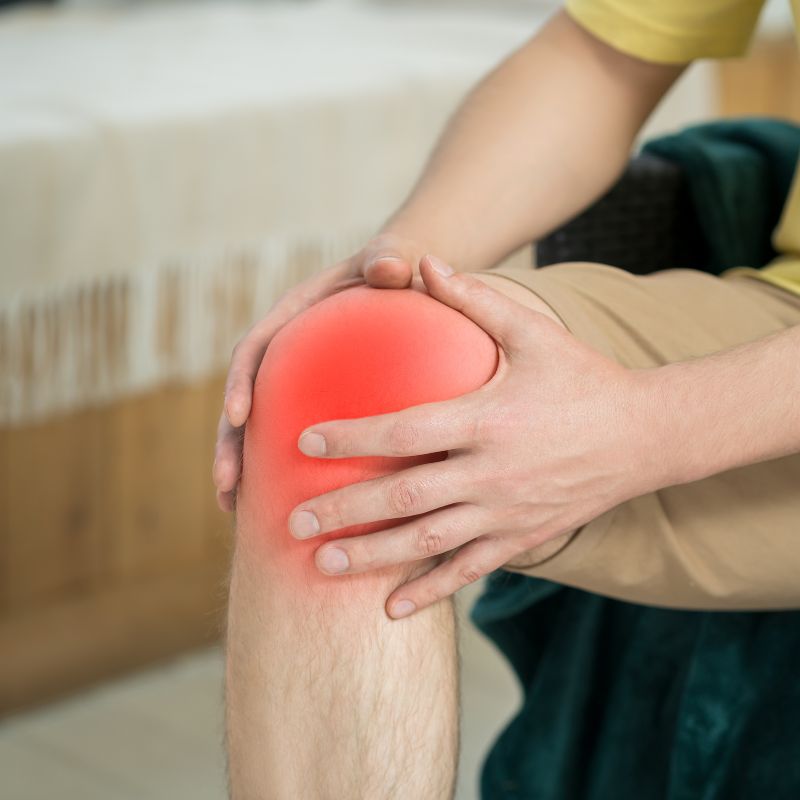
Reducing joint pain through massage offers more than relief—it enhances well-being. Explore Mobile Area Massage of Tampa Bay today.
Understanding Joint Pain and Its Causes
Joint pain can impact almost every part of daily life, from simple movements to more active hobbies. It’s a condition that affects people of all ages and can stem from a range of causes. Understanding what leads to joint pain and how it affects the body is essential to finding relief through methods like massage therapy. By reducing joint pain through massage, individuals can experience increased mobility and relief without relying solely on medications.
Common Causes of Joint Pain
Joint pain can arise from various factors, including injury, overuse, and chronic conditions like arthritis. For many, it’s a result of daily wear and tear on the joints, while others may experience pain due to autoimmune conditions. Massage therapy can target areas affected by these causes, helping to ease discomfort and promote healing.
The Impact of Joint Pain on Daily Life
Living with joint pain can make even simple activities challenging. Joint pain can limit mobility, reduce energy levels, and impact mental health. For many, the pain isn’t just physical but also emotional, as it can interfere with routines and enjoyment of life. Massage therapy works to address both the physical and mental tolls of joint pain.
Why Joint Pain Requires Proactive Management
Ignoring joint pain can lead to worsening symptoms over time, potentially limiting mobility further. Proactively addressing joint pain through massage therapy helps manage symptoms and promotes long-term joint health. This approach can prevent small issues from developing into chronic pain.
The Role of Physical Therapy and Massage in Joint Pain Relief
While physical therapy focuses on strengthening muscles around joints, massage therapy works to alleviate tension, improve blood flow, and relieve pain. By reducing joint pain through massage, clients can find relief that complements the work done in physical therapy sessions, leading to a holistic approach to pain management.
Differences Between Acute and Chronic Joint Pain
Not all joint pain is the same. Acute joint pain often results from injuries and may resolve with rest and time. Chronic joint pain, however, can persist due to underlying conditions. Massage therapy can be customized to address both types, providing tailored techniques for temporary or ongoing pain.
When to Consider Massage Therapy for Joint Pain
When traditional methods don’t offer enough relief or if you’re looking to reduce dependency on pain medications, it might be time to consider massage therapy. Reducing joint pain through massage offers a non-invasive, natural option for pain management. It’s especially beneficial for those looking to complement other treatments or avoid medications altogether.
How Massage Therapy Helps Reduce Joint Pain
Massage therapy offers a natural, effective way to address joint pain, combining targeted techniques with holistic care. By focusing on reducing joint pain through massage, therapists can alleviate discomfort, improve circulation, and support overall joint health. This section will delve into how massage works as an effective remedy for joint pain and why it’s a valuable addition to any pain management plan.
The Science Behind Massage and Pain Relief
Massage therapy stimulates blood flow to painful areas, helping to flush out toxins and reduce inflammation around joints. This increased circulation allows more oxygen and nutrients to reach damaged tissues, promoting healing and reducing joint pain. Through massage, the body’s natural pain-relieving mechanisms are activated, which can provide lasting relief.
Types of Massage Beneficial for Joint Pain
Different massage styles offer unique benefits for joint pain. Techniques such as deep tissue massage, reflexology, and Swedish massage are particularly effective. Each technique can be adjusted to focus on reducing joint pain, making massage therapy a versatile solution for various types of joint issues.
Benefits of Massage Over Traditional Pain Medications
While pain medications offer temporary relief, massage therapy addresses the underlying causes of joint pain. By reducing joint pain through massage, individuals often experience longer-lasting relief without the side effects of medication. This natural approach also reduces dependency on pharmaceuticals, which is a significant advantage for many seeking sustainable pain management.
Enhancing Joint Mobility Through Massage
Joint stiffness is often as problematic as pain itself. Massage therapy helps by loosening tight muscles and increasing the flexibility of surrounding tissues, which improves overall joint mobility. When reducing joint pain through massage, therapists also work on enhancing range of motion, which is especially beneficial for individuals with arthritis or previous joint injuries.
Preventing Further Injury With Regular Massage
Massage not only provides relief from existing joint pain but also helps prevent future injury. By keeping muscles and tissues around joints healthy and flexible, massage therapy reduces the likelihood of strains or sprains. This preventive approach helps individuals maintain joint health and avoid aggravating existing pain.
Why Massage Can Complement Other Treatments
Massage therapy can easily integrate with other forms of joint pain management, such as physical therapy, chiropractic care, or acupuncture. Reducing joint pain through massage works synergistically with these treatments, enhancing overall effectiveness and helping clients achieve pain relief faster and more thoroughly.
Deep Tissue Massage for Joint Pain Relief
Deep tissue massage is a powerful technique aimed at reaching the deeper layers of muscle and connective tissue. This approach is particularly effective for reducing joint pain through massage, as it focuses on releasing tension and alleviating pain from the body’s most problematic areas. By targeting specific regions, deep tissue massage provides relief for chronic joint pain sufferers and athletes alike.
What is Deep Tissue Massage?
Deep tissue massage involves applying firm pressure to the muscles and connective tissue surrounding the joints. Unlike a standard relaxation massage, deep tissue targets the root of the pain by focusing on underlying muscle layers. This technique is especially beneficial for reducing joint pain through massage, as it tackles built-up tension and stiffness.
How Deep Tissue Massage Targets Joint Pain
Through controlled, targeted pressure, deep tissue massage works directly on muscle knots and tight areas around the joints. By reducing joint pain through massage, this method alleviates tension that has often accumulated over time. The slow, deep strokes help to break down scar tissue and release chronic muscle tightness, offering both pain relief and increased flexibility.
Precautions for Deep Tissue Massage
While deep tissue massage can be highly effective, it’s essential to proceed with caution. People with specific conditions or recent injuries should consult a therapist to ensure deep tissue is safe for them. When reducing joint pain through massage, therapists may recommend a lighter technique initially for those unaccustomed to the intensity of deep tissue work.
Common Results and What to Expect Afterward
After a deep tissue session, it’s normal to experience slight soreness, but this typically fades within a day or two. Most clients feel noticeable relief as the massage loosens tight muscles and improves circulation. Reducing joint pain through massage often results in greater mobility and less pain in the days following a deep tissue session, providing lasting benefits for joint health.
When Deep Tissue Isn’t Recommended
Deep tissue massage may not be suitable for everyone, particularly those with certain health conditions such as fibromyalgia or fragile joints. In cases where reducing joint pain through massage is the goal, alternative therapies may be recommended to ensure the treatment aligns with the client’s comfort and health needs.
Deep Tissue Massage and Athletic Clients
Athletes and active individuals often benefit from deep tissue massage because it targets the muscle knots and strains commonly associated with high levels of physical activity. By reducing joint pain through massage, athletes can maintain flexibility, prevent injuries, and ensure their joints and muscles recover faster after workouts.
Reflexology for Joint Pain Management
Reflexology offers a unique approach to pain relief by focusing on specific pressure points, primarily in the feet, that correspond to different body areas. This technique is known for reducing joint pain through massage, targeting pain points related to joint health and overall wellness. Reflexology provides a gentle yet effective way to manage joint pain while promoting relaxation and balance in the body.
Overview of Reflexology and Its Benefits
Reflexology is based on the idea that certain points on the feet, hands, and ears correspond to specific organs and body parts. By stimulating these points, reflexology can alleviate discomfort in corresponding areas, including the joints. Reducing joint pain through massage with reflexology not only addresses pain but also improves circulation and reduces stress levels.
How Reflexology Targets Joint-Related Areas
Each area on the feet connects to a specific body part, including the joints. By applying pressure to the correct reflex points, a therapist can focus on reducing joint pain through massage without directly manipulating the painful area. This method can be especially helpful for clients who prefer a more indirect approach to pain relief.
Reflexology Techniques to Relieve Joint Pain
Reflexology techniques for joint pain involve steady, circular pressure on specific points to stimulate the body’s natural healing processes. By reducing joint pain through massage, reflexology improves blood flow and reduces tension, resulting in pain relief for areas like the knees, hips, and shoulders.
Benefits of Reflexology Beyond Joint Pain
While reflexology is highly effective for reducing joint pain, it also offers broader health benefits. Clients often report reduced stress, improved mood, and better sleep. By addressing both physical and mental well-being, reflexology provides a holistic approach to pain management that benefits overall health.
Comparing Reflexology With Other Massage Types
Reflexology differs from other massage styles by focusing primarily on the feet to impact various body parts. Unlike deep tissue massage, which applies direct pressure to the affected area, reflexology allows for a gentler approach to reducing joint pain through massage, making it suitable for clients who may be sensitive to direct pressure on their joints.
Tips for Maximizing Reflexology’s Effects
To gain the most from reflexology, clients should stay hydrated, rest, and follow any post-care instructions from their therapist. Regular sessions are often recommended, as reducing joint pain through massage with reflexology can yield cumulative benefits over time. Consistency helps in managing chronic pain and sustaining the therapeutic effects of each session.
Hot Stones and Analgesic Oils: Boosting the Benefits of Massage
Hot stones and analgesic oils are valuable tools that enhance the effectiveness of massage therapy, especially when the goal is reducing joint pain through massage. These additions provide targeted relief for sore, tense areas and amplify the relaxing and therapeutic effects of each session. When combined with skilled massage techniques, hot stones and analgesic oils can make a substantial difference in joint pain relief.
Benefits of Using Hot Stones for Joint Pain Relief
Hot stones are heated to a comfortable temperature and placed on specific areas of the body. The heat penetrates deeply into muscles, easing tension and promoting relaxation around the joints. By reducing joint pain through massage with hot stones, clients experience an added layer of relief as the warmth soothes achy joints and increases flexibility in surrounding tissues.
How Analgesic Oils Enhance Massage Therapy
Analgesic oils are often infused with natural pain-relieving ingredients like menthol or eucalyptus. When applied to the skin, these oils help reduce inflammation and provide a soothing sensation that eases pain in targeted areas. Reducing joint pain through massage becomes even more effective when analgesic oils are used, as they create a lasting cooling or warming effect that continues to relieve discomfort after the session.
Combining Hot Stones and Deep Tissue for Better Results
Hot stones can be especially beneficial when used alongside deep tissue massage. The heat from the stones relaxes the muscles, making it easier for the therapist to access deeper layers of tissue without causing discomfort. By reducing joint pain through massage with this combination, clients often experience quicker relief and a greater reduction in muscle tension.
Precautions When Using Hot Stones and Oils
While both hot stones and analgesic oils provide significant benefits, it’s essential to ensure they’re used safely. Clients with certain skin sensitivities or conditions may need to avoid these tools. Always communicate any concerns to your therapist, especially if you’re new to reducing joint pain through massage with hot stones or oils, so they can adjust the treatment to your comfort level.
Client Experiences With Hot Stones and Oils
Many clients report that hot stones and analgesic oils add a unique layer of relaxation and pain relief to their massage experience. Those seeking relief from chronic joint pain often find that these tools make a noticeable difference, providing a deeper and more lasting sense of comfort. Reducing joint pain through massage is often more enjoyable and effective when hot stones and oils are part of the process.
Enhancing Pain Relief With Aromatherapy
In addition to analgesic oils, aromatherapy can be included to promote relaxation and reduce stress, which indirectly aids in joint pain relief. Essential oils like lavender, chamomile, and rosemary provide calming effects that enhance the body’s natural healing processes. By reducing joint pain through massage with aromatherapy, clients gain both physical and emotional benefits, making each session a rejuvenating experience.
Senior Massage: Reducing Joint Pain for the Elderly
As people age, joint pain becomes more common, impacting mobility and quality of life. Senior massage provides a gentle, effective approach for reducing joint pain through massage, tailored specifically to meet the unique needs of elderly clients. This therapy not only targets pain relief but also supports general well-being and physical comfort, making it an invaluable tool for senior care.
Why Joint Pain is Common in Seniors
Joint pain often arises in seniors due to age-related wear and tear, arthritis, and decreased cartilage. As the body ages, joints lose their flexibility and may become inflamed, leading to persistent discomfort. Reducing joint pain through massage for seniors can help mitigate these effects, making everyday activities more manageable and less painful.
Unique Benefits of Massage for Elderly Clients
Massage offers specific advantages for seniors, including improved circulation, enhanced flexibility, and relief from stiffness. By reducing joint pain through massage, elderly clients experience increased mobility, lessened pain, and an improved sense of physical well-being, which contributes to a higher quality of life.
Senior Massage Techniques for Joint Pain
Senior massage uses lighter pressure and slower movements to avoid straining sensitive joints and muscles. Techniques like gentle kneading, stretching, and rhythmic strokes work well in reducing joint pain through massage for elderly clients, providing pain relief without causing additional discomfort.
How Massage Supports a Sedentary Lifestyle
For seniors with limited mobility or those who live a sedentary lifestyle, massage helps stimulate blood flow and joint movement. Regular sessions aid in reducing joint pain through massage by keeping muscles and joints active, which can be particularly beneficial for seniors who may not engage in much physical activity.
The Social and Emotional Benefits of Regular Massage
Massage isn’t just about physical relief; it also fosters emotional well-being. Many seniors benefit from the social interaction and personal connection with their massage therapist. Reducing joint pain through massage helps ease feelings of isolation, improving mood and reducing stress, both of which positively impact physical health.
Senior Massage Versus Standard Massage Approaches
Senior massage is distinct from standard techniques because it prioritizes gentle care and slower rhythms tailored to the needs of elderly clients. By reducing joint pain through massage in a way that respects the limitations of aging bodies, therapists can provide effective pain relief that aligns with seniors’ comfort and health requirements.
The Role of Consistency in Massage Therapy for Pain Relief
Consistency is a crucial factor in managing joint pain effectively. Regular sessions allow the body to adapt and respond to therapeutic techniques, offering lasting relief. By focusing on reducing joint pain through massage with a steady schedule, clients can experience continuous benefits, improved mobility, and a gradual reduction in pain. This approach emphasizes long-term management over quick fixes, ensuring sustained relief.
How Often to Schedule Massage for Optimal Joint Health
For joint pain relief, a consistent schedule—often once a week or every two weeks—is recommended for the best results. Regular sessions build on each other, progressively reducing joint pain through massage as muscles and tissues adapt to the treatment. Your therapist can help determine the frequency that suits your specific needs.
Why Consistency Matters in Pain Management
Consistency reinforces the benefits of massage, allowing the effects to compound over time. Reducing joint pain through massage regularly helps maintain muscle flexibility and joint range, preventing stiffness from setting in. This ongoing approach to pain management supports better overall health and quality of life.
Setting Realistic Goals for Pain Relief With Massage
Having realistic expectations for pain relief is key to making consistent progress. Discussing your goals with a therapist ensures that your sessions focus on gradual, sustainable improvements rather than immediate, short-lived results. Reducing joint pain through massage is often most effective when approached as part of a long-term wellness plan.
The Compounding Benefits of Regular Sessions
Each massage session builds on the last, creating cumulative effects that result in more significant relief over time. Regularly reducing joint pain through massage leads to enhanced joint mobility, reduced inflammation, and an overall improvement in body comfort. The benefits are not just immediate but grow with each session, providing a solid foundation for long-term wellness.
How Regular Massage Reduces Reliance on Medication
One of the biggest advantages of consistent massage is the potential to reduce reliance on pain medications. By reducing joint pain through massage consistently, clients often find they can decrease or eliminate the need for pharmaceuticals. This approach offers a natural alternative that supports both physical and mental health without side effects.
Building Massage Into Your Wellness Routine
Integrating massage into your regular wellness routine makes it easier to sustain the benefits and ensures long-term joint health. Reducing joint pain through massage becomes more effective when it’s part of a broader commitment to self-care. Scheduling regular sessions and viewing massage as a vital part of wellness makes it easier to achieve lasting relief.
Choosing the Right Massage Therapist for Joint Pain
Selecting the right massage therapist is a vital step in effectively reducing joint pain through massage. An experienced therapist can tailor their techniques to address specific joint issues, ensuring a safe, comfortable, and effective experience. This section will guide you in finding a skilled therapist who understands the nuances of joint pain relief and can customize sessions to meet your needs.
Key Qualities in a Massage Therapist for Pain Relief
When seeking a therapist for joint pain relief, look for qualities such as experience, communication skills, and a compassionate approach. A therapist skilled in reducing joint pain through massage will know how to listen to your concerns and adjust their techniques to suit your comfort level, making each session more beneficial.
Benefits of a Mobile Massage Service for Joint Pain
For clients with joint pain, mobility can sometimes be a challenge. Mobile massage services, like Mobile Area Massage of Tampa Bay, provide the convenience of receiving treatment at home, eliminating the need to travel. This service makes reducing joint pain through massage more accessible, especially for those with limited mobility or a busy schedule.
Questions to Ask Before Your First Session
Before committing to a therapist, ask about their experience with joint pain relief and their approach to treatment. Inquire about specific techniques they use for reducing joint pain through massage, as well as any precautions they take for clients with unique needs. This helps ensure you’re in capable hands and receive the best possible care.
How to Communicate Your Pain Points With Your Therapist
Clear communication with your therapist is essential for effective joint pain relief. Be open about your specific areas of discomfort, pain tolerance, and any past injuries. When reducing joint pain through massage, a well-informed therapist can adjust their approach to maximize relief and avoid aggravating sensitive areas.
Evaluating Massage Options in Tampa Bay
Tampa Bay offers a variety of massage options, but it’s essential to find a therapist with expertise in joint pain relief. Look for licensed professionals who specialize in reducing joint pain through massage and have positive client reviews. Choosing the right provider ensures a safe and effective experience tailored to your needs.
Mobile Area Massage of Tampa Bay: Specialized Care for Joint Pain
Mobile Area Massage of Tampa Bay offers specialized massage therapy for clients dealing with joint pain. With a team of experienced therapists and the convenience of mobile service, we focus on reducing joint pain through massage that caters to each client’s unique needs. Our therapists are dedicated to providing top-notch care to help you regain comfort and mobility.
Conclusion
Reducing joint pain through massage offers a natural, effective path to lasting relief. By addressing the root causes of discomfort and enhancing joint mobility, massage therapy provides benefits that extend beyond pain management. Whether you’re dealing with chronic pain, age-related joint issues, or simply need relief after strenuous activities, Mobile Area Massage of Tampa Bay is here to help.
Our skilled therapists understand the nuances of joint pain relief, offering specialized services that cater to each client’s unique needs. From deep tissue and reflexology to senior massage and hot stone therapy, our team provides tailored care that makes a difference. Experience the convenience of our mobile massage service and let us bring pain relief directly to you.
Why Choose Mobile Area Massage of Tampa Bay?
Mobile Area Massage of Tampa Bay combines expertise with personalized service to offer the best in joint pain relief. With a variety of massage options and the convenience of in-home service, we prioritize your comfort and health at every step.
Contact Us Today
Ready to start your journey toward pain-free living? Contact Mobile Area Massage of Tampa Bay Today to schedule your session and experience the benefits of reducing joint pain through massage firsthand.
Learn More About Our Services
Curious about what our clients have to say? Check out our reviews at Mobile Area Massage of Tampa Bay. Or, if you’re ready to book, visit our booking page to make an appointment.
FAQs
Q: How does massage help in reducing joint pain?
A: Massage helps by improving blood circulation, relieving muscle tension, and promoting relaxation around the joints. This approach reduces inflammation and enhances flexibility, making it an effective method for managing joint pain.
Q: Is deep tissue massage suitable for all types of joint pain?
A: Deep tissue massage is effective for many types of joint pain, especially for athletes and those with chronic pain. However, it may not be suitable for individuals with certain health conditions or sensitive joints, so it’s best to consult with your therapist first.
Q: Can mobile massage therapy be beneficial for seniors with joint pain?
A: Yes, mobile massage therapy is highly beneficial for seniors, as it brings treatment directly to them, providing comfort and reducing the need for travel. Senior massage techniques are also tailored to be gentle and effective in reducing joint pain for elderly clients.
Q: How frequently should I get massages to manage joint pain effectively?
A: For optimal results, many clients benefit from massages once a week or every two weeks. Consistency helps in reducing joint pain through massage by keeping muscles flexible and preventing stiffness.
Q: Are there any added benefits to using hot stones or analgesic oils during massage for joint pain relief?
A: Yes, hot stones provide deep warmth that relaxes muscles, while analgesic oils offer additional pain-relieving properties. Both can enhance the effects of massage, providing a more soothing and effective experience for joint pain relief.