
Key Takeaways
-
Regular massage therapy helps athletes recover faster by improving blood flow and reducing muscle tension.
-
Post-workout massage within 24-48 hours can significantly reduce muscle soreness and speed recovery between training sessions.
-
Massage can prevent injuries by detecting and addressing muscle tension and restricted movement before they become serious problems.
-
Different massage techniques like deep tissue, sports massage, and lymphatic drainage serve specific athletic recovery needs.
-
Athletes should aim for consistent massage sessions every 1-2 weeks, adjusting frequency based on training intensity.
-
Pre-event massage timing is crucial – schedule stimulating sessions 1-2 days before competition, not immediately before.
-
Combining massage with proper hydration, nutrition, and rest creates a comprehensive approach to athletic recovery.
If you’re an athlete who pushes your body to the limit every day, you already know that recovery is just as important as training. Whether you’re a weekend warrior, a competitive sports player, or someone who simply loves staying active, your muscles need proper care to perform their best. That’s where massage therapy comes in. Think of it as regular maintenance for your body—just like you wouldn’t skip oil changes for your car, you shouldn’t skip massage for your muscles.
What makes massage therapy especially powerful for athletes is that it doesn’t just feel good in the moment. It actually helps your body heal faster, prevents injuries, and improves your overall performance. The best part? You don’t have to drive to a spa or work around someone else’s schedule. With mobile massage services like those from Mobile Area Massage of Tampa Bay, a professional therapist comes directly to your home or hotel room, making recovery as convenient as possible.
In this guide, you’ll learn exactly how massage therapy helps athletes like you, which techniques work best for different needs, and how to make massage a regular part of your training routine. Let’s dive in and discover how you can take your athletic performance to the next level.

Why Athletes Need Regular Massage Therapy
Your body goes through a lot when you train. Every workout creates tiny tears in your muscle fibers, which is actually how muscles grow stronger. But if you don’t give those muscles proper recovery time and support, you risk injury, burnout, and decreased performance. Regular massage therapy addresses these issues head-on by improving blood flow, reducing muscle tension, and helping your body repair itself more efficiently.
According to the American Massage Therapy Association, massage therapy plays a crucial role in sports rehabilitation and injury prevention. When a skilled therapist works on your muscles, they’re not just making you feel relaxed—they’re actively promoting healing. Increased blood circulation means more oxygen and nutrients reach your muscles, speeding up recovery time between workouts or competitions.
Many professional athletes swear by regular massage as part of their training regimen. It’s not a luxury or an occasional treat—it’s a necessary tool for staying at peak performance. Whether you’re dealing with tight hamstrings, sore shoulders, or general muscle fatigue, massage therapy provides targeted relief that helps you bounce back faster and train harder.
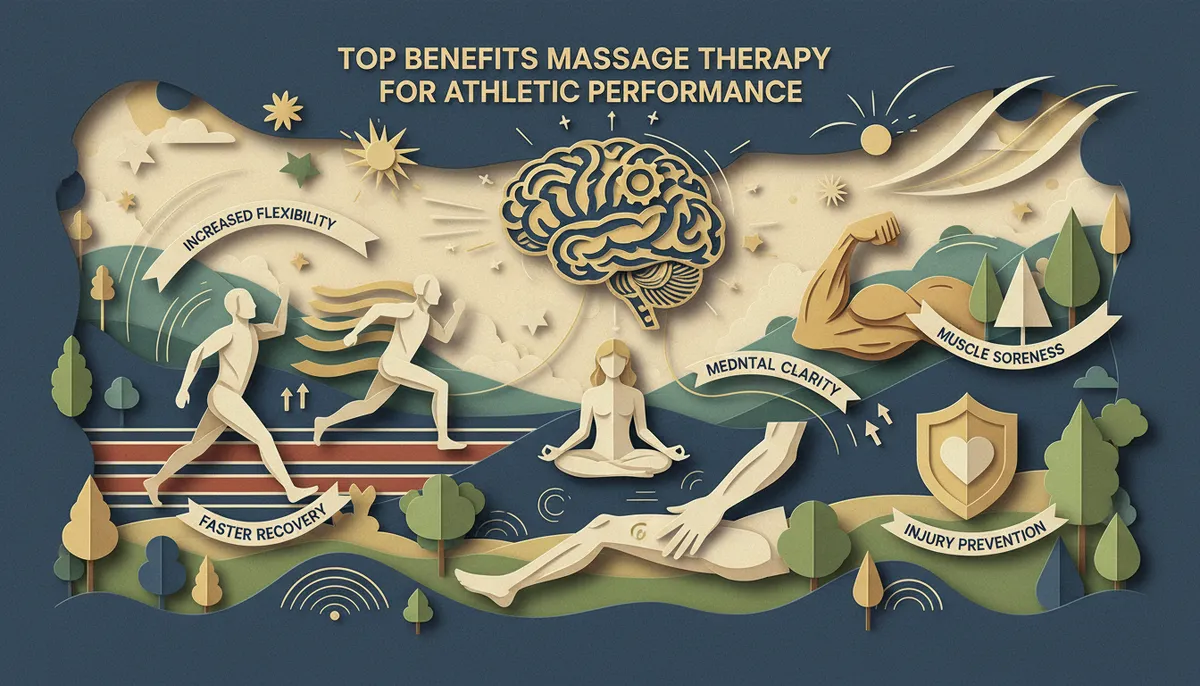
Top Benefits of Massage Therapy for Athletic Performance
Understanding the specific benefits of massage can help you make the most of your sessions. Here are the key ways massage therapy improves athletic performance:
Faster Muscle Recovery and Reduced Soreness
After an intense workout or competition, your muscles need time to repair. Massage speeds up this process by flushing out metabolic waste products like lactic acid that build up during exercise. This means less soreness the next day and quicker recovery between training sessions. You’ll be able to maintain a consistent training schedule without feeling constantly exhausted or achy.
Deep tissue massage works particularly well for this because it reaches the deeper layers of muscle tissue where tension and waste products accumulate. When you request an appointment for post-workout massage, you’re essentially giving your body extra support in the healing process.
Improved Flexibility and Range of Motion
Tight muscles don’t just feel uncomfortable—they actually limit how well you can move. Limited range of motion means you can’t perform exercises with proper form, which reduces effectiveness and increases injury risk. Regular massage helps keep your muscles supple and flexible by breaking up adhesions (knots) and releasing tension in connective tissues.
Think about a runner whose tight hip flexors prevent full stride extension, or a tennis player whose stiff shoulders limit their serve power. Massage therapy addresses these restrictions, allowing you to move more freely and perform better. Over time, improved flexibility also means better posture and more efficient movement patterns.
Injury Prevention Through Early Problem Detection
One of the most valuable aspects of working with a skilled massage therapist is their ability to identify problem areas before they become serious injuries. An experienced therapist can feel areas of unusual tension, inflammation, or restriction that you might not even notice yet. Addressing these issues early prevents them from developing into strains, sprains, or other injuries that could sideline you for weeks or months.
Mobile Area Massage of Tampa Bay therapists have over 70 years of combined experience and can spot these warning signs during your session. They’ll work on those areas with appropriate pressure and techniques, helping your body stay balanced and injury-free.
Best Massage Techniques for Athletic Performance
Not all massage techniques are created equal when it comes to athletic needs. Different approaches serve different purposes, and knowing which one to choose can maximize your results. Here’s what you need to know about the most effective massage styles for athletes:
Deep Tissue Massage for Muscle Tension
Deep tissue massage is the go-to choice for athletes dealing with chronic muscle tension or specific problem areas. This technique uses firm pressure and slow strokes to reach deep layers of muscle and connective tissue. It’s particularly effective for breaking up scar tissue and adhesions that form after injuries or from repetitive movements.
While deep tissue can feel intense during the session, it shouldn’t be painful. A good therapist will work with you to find the right pressure level. The soreness you might feel afterward is similar to post-workout soreness and typically fades within a day or two. The long-term benefits—reduced chronic pain, improved mobility, and better muscle function—make it worth the temporary discomfort.
Sports Massage for Pre- and Post-Event Care
Sports massage is specifically designed for athletic bodies and can be adapted for different stages of training or competition. Pre-event sports massage uses faster, more stimulating techniques to warm up muscles and prepare them for activity. It’s energizing rather than deeply relaxing. Post-event sports massage focuses on recovery, using gentler techniques to reduce muscle soreness and promote healing.
The beauty of mobile massage services is that therapists can come to you before or after a big race, game, or competition. This eliminates travel stress and allows you to rest comfortably at home or in your hotel room while receiving professional care. Check out the services available to find the right fit for your needs.
Lymphatic Drainage for Inflammation Reduction
While less commonly known among athletes, lymphatic drainage massage can be incredibly beneficial, especially when dealing with inflammation or swelling from overtraining or minor injuries. This gentle technique encourages the flow of lymph fluid, which carries waste products away from tissues and supports immune function.
Lymphatic drainage is much lighter than deep tissue massage, using soft, rhythmic movements that follow the direction of lymph flow. It’s particularly helpful during recovery periods or when you’re dealing with persistent swelling. Many athletes find that incorporating occasional lymphatic drainage sessions helps them maintain better overall health and recover more completely.
How to Schedule Massage Sessions for Optimal Results
Timing matters when it comes to massage therapy for athletes. Getting massage at the right times can enhance its benefits, while poor timing might interfere with your training goals. Here’s a practical guide to scheduling your sessions:
Creating a Regular Massage Schedule
Consistency is key for athletes. Rather than only getting massage when you’re injured or in pain, aim for regular sessions as part of your overall training plan. Most athletes benefit from massage every one to two weeks, depending on training intensity and budget. Regular sessions help prevent problems before they start and keep your body functioning optimally.
Here’s a suggested schedule based on training intensity:
- High-intensity training periods: Weekly massage sessions help manage the physical demands and prevent overuse injuries.
- Moderate training periods: Bi-weekly sessions maintain flexibility and address any emerging tension.
- Recovery or off-season periods: Monthly sessions help maintain gains and prepare your body for the next training cycle.
Mobile massage makes this consistency easier to maintain because you don’t have to factor in travel time or work around spa hours. You can schedule sessions when they fit best into your routine.
Pre-Event Massage Timing
If you want massage before a competition or important event, timing is crucial. Schedule stimulating sports massage 1-2 days before the event, not the day of. This gives your body time to process the work without feeling too relaxed or potentially sore during competition. The massage should focus on warming up muscles and improving circulation rather than deep tissue work.
For same-day pre-event massage, keep it light and brief (15-20 minutes maximum). The goal is to stimulate blood flow and mentally prepare you, not to work out deep muscle tension. Save deeper work for after the event when your body is ready to focus on recovery.
Post-Workout and Recovery Massage
Post-workout massage can happen relatively soon after exercise, but give your body at least 2-3 hours to cool down first. Immediate post-exercise massage when your heart rate is still elevated might interfere with your body’s natural recovery processes. Wait until your breathing and heart rate return to normal, you’ve rehydrated, and you’ve eaten something.
The ideal window for recovery massage is within 24-48 hours after intense exercise. This is when muscles are most responsive to treatment and when massage can have the greatest impact on reducing soreness and speeding recovery. Many athletes schedule recovery massages on their rest days or light training days.
Combining Massage with Other Recovery Techniques
Massage therapy works best when combined with other recovery strategies. Think of it as part of a comprehensive approach to taking care of your athletic body. Here’s how to integrate massage with other recovery methods:
Stretching and Flexibility Work
Massage and stretching complement each other beautifully. After a massage session when your muscles are warm and relaxed, it’s an ideal time to do gentle stretching. The increased flexibility you gain from massage makes stretching more effective and less uncomfortable. Ask your therapist for specific stretches that target areas they worked on during your session.
On days between massage sessions, maintain your flexibility with regular stretching routines. This helps preserve the benefits of massage and keeps muscles from tightening back up. Dynamic stretching before workouts and static stretching afterward creates a complete flexibility program.
Hydration and Nutrition for Recovery
Proper hydration is essential before and after massage. Massage increases circulation and helps flush waste products from muscles, but your body needs adequate water to carry those waste products away. Drink plenty of water in the 24 hours following massage to support this detoxification process and prevent dehydration-related soreness.
Nutrition also plays a role in recovery. Consuming protein within 30-60 minutes after intense exercise gives your body the building blocks it needs for muscle repair. When you combine good nutrition with regular massage, you’re supporting recovery from multiple angles and maximizing your body’s ability to adapt and grow stronger.
Sleep and Rest Days
According to research on massage therapy for mental health, massage significantly improves sleep quality by reducing stress hormones and promoting relaxation. For athletes, quality sleep is when most muscle repair and growth happens. Scheduling massage in the evening can help you sleep more deeply, enhancing recovery even further.
Don’t underestimate the importance of complete rest days either. Your body needs time to fully recover and rebuild. Massage on rest days supports this process without adding physical stress. It’s one of the few recovery tools that actively helps your body heal without requiring any effort from you.
Addressing Common Athletic Injuries and Pain Points
Athletes commonly experience certain types of pain and injuries based on their sport or activity. Massage therapy can address many of these issues effectively. Here’s how massage helps with specific athletic concerns:
Runner’s Knee and IT Band Issues
Runners frequently develop pain around the knee cap or along the iliotibial (IT) band that runs down the outside of the thigh. These problems often stem from tight hip muscles and poor biomechanics. Massage therapy targeting the hip flexors, glutes, and IT band can relieve tension and reduce knee pain.
The therapist will work on releasing tight spots along the entire chain of muscles that affect knee function. This approach addresses the root cause rather than just treating the symptom. Combined with appropriate stretching and strength exercises, massage can help runners overcome knee pain and prevent it from returning.
Shoulder and Rotator Cuff Problems
Overhead athletes like swimmers, tennis players, and baseball pitchers often develop shoulder pain from repetitive motions. The rotator cuff muscles become overworked and tight, leading to inflammation and reduced range of motion. Massage therapy for the shoulder complex includes work on the chest, upper back, and neck muscles that all contribute to shoulder function.
Deep tissue massage around the shoulder blade and along the upper arm can release chronic tension and improve mobility. Hot stones and analgesic oils, both included at no extra charge with Mobile Area Massage of Tampa Bay, can make this work more comfortable and effective. Regular shoulder massage helps overhead athletes maintain healthy range of motion and prevent serious rotator cuff injuries.
Lower Back Pain and Tight Hip Flexors
Lower back pain affects athletes across all sports, often caused by tight hip flexors, weak core muscles, or muscle imbalances. Desk jobs and long periods of sitting compound the problem. Massage therapy addresses tight hip flexors and lower back muscles, providing relief and allowing you to move more freely during training.
The therapist will work on your hip flexors, glutes, and lower back muscles to restore balance and reduce pain. They might also work on your legs since tight hamstrings and calves can contribute to lower back problems. For chronic lower back issues, read more about mobile massage for chronic pain and how it can provide lasting relief.
Making Mobile Massage Work for Your Athletic Lifestyle
One of the biggest challenges for busy athletes is finding time for recovery. Between work, training, family obligations, and everything else, adding another appointment to your schedule can feel impossible. This is where mobile massage becomes a game-changer for athletic performance and recovery.
Convenience of In-Home Treatment
Mobile massage eliminates all the barriers that keep athletes from getting regular treatment. No driving to appointments, no waiting in lobbies, no rushing to get there on time. The therapist comes to your home, bringing a professional massage table and all necessary supplies. You get spa-quality treatment in your own space, then immediately transition to rest without having to go anywhere.
This convenience means you’re more likely to stick with regular massage sessions, which is where the real benefits accumulate. When massage fits seamlessly into your routine, it becomes a reliable tool for maintaining peak performance rather than an occasional luxury. Learn more about the benefits of mobile massage that go beyond just convenience.
Perfect for Traveling Athletes
If you travel for competitions or training camps, maintaining your recovery routine becomes even more challenging. Mobile massage services in Tampa Bay, Clearwater, and St. Pete mean you can receive professional treatment in your hotel room, maintaining consistency even when you’re away from home. This is especially valuable before or after important competitions when your body needs extra support.
Business travelers who maintain athletic training while on the road face similar challenges. Mobile Area Massage of Tampa Bay specializes in providing mobile massage to business travelers in hotel rooms, making it easy to keep up with your recovery routine no matter where you are. Check out options for hotel massage during your next trip.
Flexible Scheduling Around Training
Athletes need flexibility in scheduling because training schedules vary and sometimes change on short notice. Mobile massage therapists often offer more flexible scheduling than traditional spas, including evening and weekend appointments. Mobile Area Massage of Tampa Bay is open 7 days a week, making it easier to book sessions when they fit best into your training plan.
Whether you need a session after an early morning workout or late in the evening after your last training session, mobile massage can accommodate your schedule. This flexibility helps you time your massage sessions optimally for maximum benefit rather than working around limited spa hours.
Choosing the Right Massage Therapist for Athletic Needs
Not all massage therapists have experience working with athletes. Finding someone who understands athletic bodies and sports-related injuries makes a significant difference in your results. Here’s what to look for:
Experience and Qualifications
Look for therapists with specific training in sports massage or experience working with athletes. In Florida, mobile massage therapists must hold a special mobile endorsement in addition to their massage therapy license, ensuring they meet additional standards for providing services outside a traditional clinical setting.
Ask about the therapist’s experience with your specific sport or type of activity. Someone who regularly works with runners will understand common running injuries and biomechanics differently than someone who primarily sees office workers. The combined 70 years of experience among Mobile Area Massage of Tampa Bay therapists means they’ve worked with athletes across many different sports and activity levels.
Communication and Personalization
A good massage therapist listens to your concerns and adjusts their approach based on your needs. They should ask about your training schedule, upcoming competitions, current injuries, and specific goals. Each session should be tailored to where you are in your training cycle and what your body needs that day.
During the massage, the therapist should check in with you about pressure and comfort level. They should be willing to adjust techniques or focus on areas that need extra attention. This collaborative approach ensures you get the most benefit from each session and helps build a therapeutic relationship over time.
Consistency and Long-Term Partnership
Working with the same therapist regularly has advantages for athletes. As they get to know your body, they can track changes over time, notice new problems early, and understand what techniques work best for you. This consistency leads to better results than constantly switching between different therapists who don’t know your history.
Mobile massage makes it easy to work with the same therapist consistently since they come to you. You can build a relationship with someone who becomes a trusted partner in your athletic performance and recovery. This long-term partnership often leads to the best outcomes for serious athletes.
Understanding Massage Pricing and Session Length for Athletes
Knowing what to expect regarding cost and session length helps you budget appropriately and choose the right options for your needs. Here’s what athletes should consider:
Standard Session Lengths and Pricing
Most athletic massage sessions range from 60 to 90 minutes. A 60-minute session allows time to address 2-3 specific areas thoroughly, while 90 minutes provides more comprehensive full-body work. For athletes with multiple problem areas or those in heavy training periods, longer sessions offer better value and more complete treatment.
Mobile Area Massage of Tampa Bay offers transparent pricing with no hidden fees:
- 60 Minutes: $119 – Perfect for targeting specific problem areas like tight shoulders or sore legs
- 90 Minutes: $159 – Ideal for comprehensive treatment with attention to multiple areas
- 2 Hours: $199 – Excellent for serious athletes needing extensive work or combining techniques
- 3 Hours: $299 – Best for intensive recovery sessions or special pre/post-event care
- 4 Hours: $399 – Premium option for elite athletes or extended therapeutic sessions
All services are charged strictly by time with no extra fees for deep tissue work, hot stones, or analgesic oils. This transparent pricing makes it easy to budget for regular massage as part of your training expenses.
Getting the Most Value from Your Sessions
To maximize the value of your massage investment, communicate clearly with your therapist about your priorities for each session. If you have limited time or budget, focus on areas that impact your performance most directly. For example, a runner might prioritize legs and hips, while a swimmer focuses on shoulders and upper back.
Between professional massage sessions, you can maintain benefits with self-care like foam rolling, stretching, and using tennis balls or massage tools at home. This extends the effects of professional treatment and helps you get by with less frequent sessions if needed. However, professional massage provides depth of treatment and expertise that self-care can’t fully replace.
Real Results: What Athletes Can Expect from Regular Massage
Understanding realistic expectations helps you evaluate whether massage therapy is working for you. Here’s what athletes typically experience with consistent massage treatment:
Short-Term Benefits
After your first few massage sessions, you’ll likely notice immediate relief from muscle soreness and tension. You might feel looser and more mobile, with reduced tightness in problem areas. Many athletes report feeling more relaxed overall and sleeping better after massage sessions. These short-term benefits feel great and provide motivation to continue.
You might also notice that you’re less sore after intense workouts when you incorporate regular massage. Recovery time between hard training sessions may shorten, allowing you to maintain a more consistent training schedule. These immediate improvements help you feel better day-to-day and enjoy your training more.
Long-Term Performance Improvements
The real magic happens with consistent massage over weeks and months. Athletes who commit to regular sessions typically see improvements in flexibility, range of motion, and overall athletic performance. Chronic pain issues often resolve or significantly improve. Injury rates go down because massage helps maintain muscle balance and addresses problems before they become serious.
Over time, you develop better body awareness—you notice tension or imbalances earlier and can address them proactively. This awareness, combined with regular professional treatment, helps you stay healthier and perform better long-term. Many athletes find that regular massage becomes as essential to their training as proper nutrition and adequate sleep.
Mental and Emotional Benefits
Don’t overlook the mental benefits of massage for athletes. Training can be stressful, both physically and mentally. Massage provides dedicated recovery time where you can disconnect, relax, and let someone else take care of you. This mental break is valuable for preventing burnout and maintaining your passion for your sport.
The mental health benefits of massage therapy include reduced anxiety, improved mood, and better stress management. For competitive athletes dealing with performance pressure, these benefits can be as important as the physical improvements. A calm, focused mind performs better than a stressed, anxious one.
Special Considerations for Different Types of Athletes
Different sports place different demands on your body, and massage therapy can be tailored to address sport-specific needs. Here’s what various types of athletes should know:
Endurance Athletes
If you’re a runner, cyclist, triathlete, or participate in other endurance sports, your massage needs focus on leg muscles, hip flexors, and lower back. Long training sessions create repetitive strain and muscle imbalances that massage can address. Focus on recovery massage in the 24-48 hours after long training sessions or races.
Endurance athletes benefit from regular maintenance massage every 1-2 weeks during peak training periods. This helps prevent overuse injuries and maintains muscle balance despite high training volume. Consider longer sessions (90 minutes or more) that allow thorough treatment of legs, hips, and any problem areas in the upper body.
Strength and Power Athletes
Weightlifters, CrossFit athletes, and others focused on strength training need massage that addresses muscle soreness from heavy lifting and helps maintain flexibility. Tight chest muscles, shoulders, and hip flexors are common issues. Deep tissue massage works well for releasing chronic tension in muscles that become very tight from strength training.
Timing matters for strength athletes—avoid deep massage immediately before max effort lifting sessions, as it might temporarily reduce power output. Instead, schedule deeper work on rest days or at least 24 hours before heavy training. Lighter sports massage on training days can help warm up muscles without affecting performance.
Team Sport Athletes
If you play soccer, basketball, football, or other team sports, you face a combination of running, jumping, quick direction changes, and sometimes contact. This creates diverse massage needs—you might need leg work similar to runners, plus attention to upper body from contact or sport-specific movements. Injury prevention becomes crucial since most team sports involve some injury risk.
Work with your massage therapist to time sessions around games and practice schedules. Consider lighter sessions during the season to maintain flexibility and prevent injuries, with deeper work during off-season for addressing chronic issues and preparing for the next season.
Frequently Asked Questions About Athlete Massage
Athletes often have specific questions about how to incorporate massage into their training. Here are answers to the most common concerns:
How Soon After a Competition Should I Get Massage?
Wait at least 2-3 hours after competition before getting massage. Your body needs time to cool down and begin its natural recovery process. Massage too soon after intense exercise might interfere with this process and could increase inflammation rather than reduce it. The ideal window is 24-48 hours post-competition when massage can most effectively speed recovery and reduce soreness.
For major competitions or particularly intense events, some athletes benefit from gentle lymphatic drainage within a few hours to reduce swelling, followed by deeper recovery massage 1-2 days later. Discuss timing with your therapist based on your specific situation and how your body typically responds.
Can Massage Replace Stretching or Warm-Up?
No, massage should complement rather than replace stretching and warm-up routines. Pre-workout massage can help prepare muscles for activity, but you still need dynamic warm-up exercises to raise your heart rate and prepare your body for movement. Similarly, massage enhances flexibility but shouldn’t replace regular stretching routines that maintain range of motion between sessions.
Think of massage as one tool in your complete training and recovery toolkit. It works best when combined with proper warm-up, cool-down, stretching, strength training, and other elements of a well-rounded athletic program. Each component serves a different purpose and together they create optimal conditions for performance and health.
What Should I Tell My Massage Therapist?
Be specific about your training schedule, upcoming competitions, current injuries or pain points, and your goals for the session. Mention if you have any areas that feel especially tight or sore. Tell them what pressure feels comfortable and speak up during the session if something doesn’t feel right. The more information you provide, the better they can tailor treatment to your needs.
Also mention if you’re dealing with stress, sleep problems, or other factors affecting your recovery. A comprehensive approach that addresses both physical and mental aspects of athletic performance often produces the best results. Your therapist can adjust techniques and session focus based on what you need most that day.
| Session Type | Best Timing | Primary Focus | Recommended Duration |
|---|---|---|---|
| Recovery Massage | 24-48 hours post-workout | Reducing soreness, promoting healing | 60-90 minutes |
| Maintenance Massage | Weekly during training | Preventing injury, maintaining flexibility | 60-90 minutes |
| Pre-Event Massage | 1-2 days before competition | Warming muscles, mental preparation | 30-60 minutes |
| Injury Treatment | As recommended by therapist | Healing specific injuries | 60-90 minutes |
Getting Started with Athletic Massage Today
Now that you understand how massage therapy can transform your athletic performance and recovery, it’s time to take action. The difference between knowing about massage benefits and actually experiencing them comes down to making that first appointment and committing to regular sessions.
Start by evaluating your current training schedule and identifying where massage would fit best. Consider your budget and how frequently you can realistically commit to sessions. Even monthly massage provides benefits, though weekly or bi-weekly sessions during intense training periods offer optimal results. Remember that investing in recovery is just as important as investing in training equipment or coaching.
Mobile Area Massage of Tampa Bay makes it easy to get started with professional athletic massage. With over 70 years of combined therapist experience and convenient mobile service throughout Tampa Bay, Clearwater, and St. Pete, you can receive expert treatment without disrupting your busy schedule. All pricing is transparent with no hidden fees, and sessions can be scheduled 7 days a week to fit your needs.
Your body works hard for you every time you train or compete. Give it the support it deserves with regular professional massage therapy. Whether you’re training for your first 5K or your fiftieth marathon, whether you’re a competitive athlete or a fitness enthusiast, massage can help you perform better, recover faster, and enjoy your sport more fully. Take the first step toward better athletic performance and schedule your first session today. Your body will thank you, and your performance will show the difference.
Ready to experience the benefits firsthand? Visit us on Google to see what other athletes are saying about their results, then book your appointment and discover how professional massage therapy can take your athletic performance to the next level.
FAQs
Q: How often should athletes get massage therapy?
A: Most athletes benefit from massage every 1-2 weeks during intense training periods, and monthly sessions during lighter training or off-season. The frequency depends on your training intensity, budget, and specific needs. Regular sessions provide cumulative benefits for injury prevention and performance enhancement that occasional massage can’t match.
Q: Can massage therapy actually improve my athletic performance?
A: Yes, absolutely! Regular massage improves performance by increasing flexibility and range of motion, speeding recovery between workouts, preventing injuries, and reducing muscle soreness. These benefits allow you to train more consistently and effectively, which directly translates to better performance over time.
Q: Should I get massage before or after my workout?
A: The best time for massage is 24-48 hours after intense workouts when it can most effectively reduce soreness and speed recovery. Avoid deep massage immediately before workouts or competitions. Light, stimulating massage 1-2 days before events can help prepare muscles, but save deeper work for after you’re done training or competing.
Q: What’s the difference between deep tissue and sports massage for athletes?
A: Deep tissue massage uses firm pressure to reach deeper muscle layers and is great for chronic tension and specific problem areas. Sports massage is specifically designed for athletic bodies and can be adapted for pre-event (stimulating) or post-event (recovery-focused) needs. Both are valuable for athletes in different situations.
Q: Is mobile massage as effective as going to a spa?
A: Yes, mobile massage is just as effective as spa massage—you receive the same professional techniques and quality of care. The main difference is convenience: the therapist brings professional equipment to your home or hotel, saving you travel time and allowing you to rest immediately after your session. This convenience often leads to better consistency, which improves long-term results.