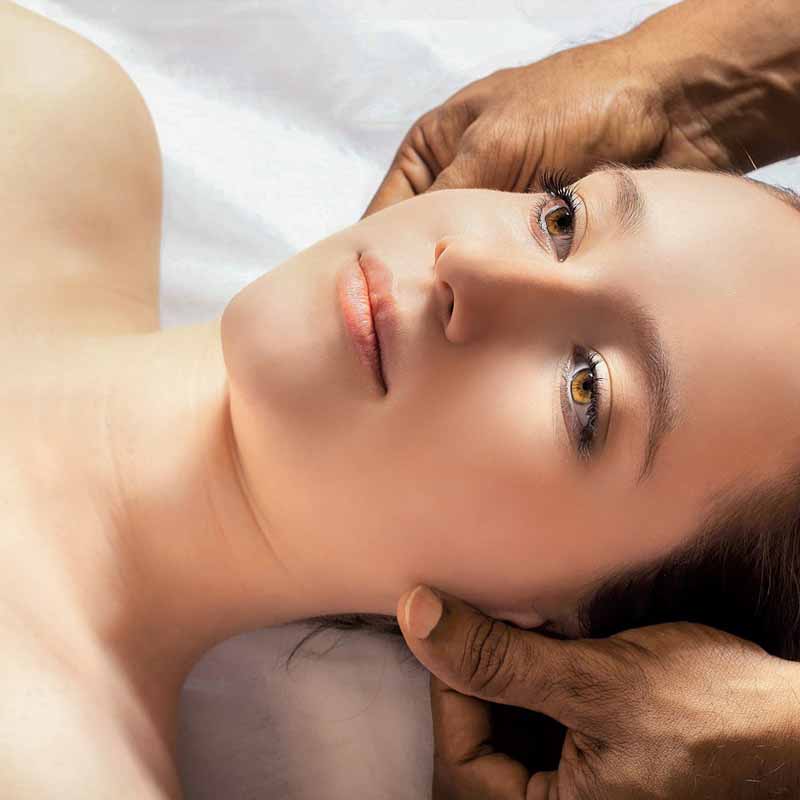
Discover how massage therapy can improve your mental health by reducing stress and enhancing relaxation. Contact MAMTB today!
The Connection Between Body and Mind in Massage Therapy
Massage therapy offers profound benefits for mental health, primarily by nurturing the powerful link between body and mind. When the body reaches a state of deep relaxation, the mind often follows, creating an uplifting sense of calm and clarity. This connection plays a significant role in reducing stress and promoting mental well-being. Let’s explore how this connection enhances your mental health.
How physical relaxation impacts mental clarity
As muscles relax and release tension during massage therapy, the mind gains the freedom to relax as well. This physical release opens pathways to mental clarity, helping you process thoughts without the usual distractions of stress and physical discomfort.
The role of stress relief in mental health
Stress is a major obstacle to mental health, and massage therapy offers an effective means to reduce it. By decreasing stress hormones and promoting relaxation, massage helps you reset, recover, and maintain a healthier mental state, ready to tackle daily challenges.
Release of feel-good hormones like serotonin and dopamine
Massage therapy stimulates the release of serotonin and dopamine, essential neurotransmitters for happiness and relaxation. These “feel-good” hormones elevate your mood naturally, making massage a powerful ally in enhancing mental health.
Lowering cortisol for better mood stability
Cortisol, the body’s stress hormone, can wreak havoc on mental health when left unchecked. Massage therapy helps lower cortisol levels, which supports a more stable mood and reduces anxiety. This decrease in cortisol can lead to a more balanced emotional state, promoting resilience against stress.
Boosting energy levels through massage therapy
Mental fatigue often accompanies physical stress. Massage therapy improves blood flow and encourages the release of endorphins, which can boost both physical and mental energy levels. This rejuvenation provides a natural lift to your mood and clarity of thought.
How the mind-body connection enhances overall wellness
Massage therapy isn’t just about relaxation—it’s about supporting a lifestyle of wellness. By addressing physical tension, the mind can focus better on what truly matters, helping you feel connected, grounded, and mentally at ease.
Reducing Anxiety and Tension with Massage
Massage therapy is a powerful tool for reducing anxiety and calming mental tension, making it an ideal approach to support mental health. By relieving physical stress, massage provides a pathway for the mind to relax and recover from the daily pressures of life. Here’s how different aspects of massage therapy contribute to a calmer, more peaceful mind.
Techniques that target anxiety-prone areas
Massage therapy can focus on specific areas where people tend to hold anxiety, like the neck, shoulders, and back. By easing tension in these spots, the body and mind find relief, making it easier to let go of anxious thoughts and feelings.
The soothing effects of aromatherapy in massage
Incorporating aromatherapy with massage therapy enhances mental health benefits by introducing calming scents like lavender and chamomile. These essential oils naturally help to lower anxiety, promoting relaxation and allowing the mind to unwind.
Impact of massage on muscle tension and mental tension
Physical tension and mental tension are closely connected. Massage therapy reduces muscle tightness, creating a ripple effect that helps the mind relax. When the body is at ease, the mind follows, reducing anxiety symptoms over time.
Creating a safe space for emotional release
A skilled massage therapist can provide a safe and comforting environment for clients. This security allows for emotional release, which is often essential in managing anxiety and improving mental health.
Calming the nervous system for anxiety relief
Massage therapy activates the parasympathetic nervous system, which is responsible for the body’s “rest and digest” mode. This activation helps counteract the effects of anxiety, calming the mind and reducing mental stress.
The role of gentle touch in reducing anxious thoughts
Gentle, sustained touch during massage therapy offers a sense of reassurance and comfort. This touch therapy helps reduce anxious thoughts by grounding clients in the present moment, aiding in relaxation and mental clarity.
How Massage Therapy Can Help with Depression
Massage therapy can be a valuable part of managing depression, providing physical and emotional support that positively impacts mental health. By releasing tension and fostering a sense of connection, massage aids in lifting the emotional weight often associated with depression. Let’s explore how regular massage therapy can improve your mental health in this context.
Stimulating endorphin release to improve mood
Massage therapy promotes the release of endorphins, the body’s natural mood enhancers. These endorphins work to counteract depressive feelings, creating a more positive mental state and supporting a healthier outlook.
Easing physical discomfort associated with depression
Physical pain and mental health are often linked. Massage therapy helps ease the bodily aches that can accompany depression, making it easier for clients to feel physically comfortable, which, in turn, lifts their spirits.
The importance of human connection in combating loneliness
Depression can often bring feelings of isolation. The human connection in massage therapy, even through touch alone, provides comfort and reduces feelings of loneliness, reinforcing the healing process for mental health.
Building a routine for better mental health outcomes
Consistent massage therapy can create a positive routine, which supports stability for those struggling with depression. Regular sessions bring a sense of rhythm and reliability that helps in managing mental health challenges.
The relaxing effects of massage on sleep, helping mood
Massage therapy improves sleep quality by relaxing the body and mind. Restful sleep is essential for managing depression, and when you sleep better, you wake up feeling more refreshed, which supports better mental health.
How regular sessions provide emotional balance
Over time, regular massage therapy fosters a sense of emotional balance. This balance makes it easier to manage the ups and downs of depression, leading to a steadier, more grounded mental state.
Improving Sleep and Mental Health through Massage
Good sleep is crucial for mental health, and massage therapy can play a significant role in improving sleep quality. By promoting relaxation and reducing stress, massage therapy supports deeper and more restful sleep, which in turn helps to improve mental health. Here’s how massage therapy can aid in achieving better sleep.
Massage’s role in promoting deeper, restful sleep
Massage therapy calms the body and mind, creating the ideal conditions for deeper sleep. By relaxing muscles and easing tension, massage helps your body transition more easily into a restful state, making sleep more restorative.
Relaxation techniques that reduce insomnia symptoms
For those struggling with insomnia, massage therapy can help by relaxing the nervous system and reducing anxiety. Techniques like gentle kneading and rhythmic strokes ease the mind, reducing the barriers to falling and staying asleep.
The importance of REM sleep for mental well-being
REM sleep is essential for mental health, as it allows the brain to process emotions and restore cognitive functions. Massage therapy encourages REM sleep by helping the body reach a state of full relaxation, making it easier to enter deeper sleep cycles.
How massage relieves racing thoughts at night
Massage therapy soothes both the mind and body, reducing the occurrence of racing thoughts that can keep you awake. By bringing focus to the present and calming the mind, massage makes it easier to drift into sleep.
Creating a bedtime ritual with evening massages
Setting up a consistent evening massage ritual can help condition the body for better sleep. This ritual signals to the mind that it’s time to unwind, making it easier to transition from the stresses of the day to a state of relaxation.
Helping the mind recharge through quality rest
Quality sleep allows the mind to recharge and better manage daily stressors. Massage therapy’s ability to improve sleep quality means that you wake up feeling more refreshed and mentally prepared, fostering overall mental well-being.
Boosting Self-Esteem and Confidence
Massage therapy not only enhances physical well-being but also positively impacts mental health by boosting self-esteem and confidence. When we feel good in our bodies, it naturally lifts our mood and improves our sense of self-worth. Let’s look at how massage therapy can help build confidence and improve your mental health.
How feeling good physically enhances self-image
When massage therapy reduces muscle tension and physical discomfort, it improves your body’s overall feeling. This physical comfort translates into a more positive self-image, as feeling good physically often leads to a healthier view of oneself.
Building a positive self-relationship through self-care
Investing in massage therapy is an act of self-care, reinforcing that you’re worth taking time for. This intentional practice of self-care helps foster a positive relationship with yourself, which is vital for boosting confidence and mental health.
The empowerment that comes from prioritizing wellness
Making massage therapy part of your routine sends a powerful message to yourself about the importance of wellness. This prioritization creates a sense of empowerment, which in turn boosts confidence and encourages a positive mental outlook.
How massage helps individuals appreciate their body
Massage therapy encourages clients to connect with and appreciate their bodies. This connection can help individuals see their body as a source of strength and resilience, boosting self-esteem and reinforcing mental health.
Confidence gained from reducing pain and stress
Relieving physical pain and stress through massage therapy directly impacts mental health by boosting confidence. When pain and tension are reduced, clients feel more capable and self-assured in facing daily challenges.
Improving posture and mood for a positive outlook
Massage therapy often leads to improved posture by relaxing tight muscles and aligning the body. Better posture not only reduces physical strain but also contributes to a positive, confident outlook, enhancing both mental health and self-esteem.
Managing Symptoms of PTSD and Trauma
Massage therapy can offer valuable support for individuals managing PTSD and trauma, providing a safe space for healing and grounding. With a gentle and empathetic approach, massage therapy can improve mental health by easing the physical and emotional symptoms that accompany trauma. Here’s how massage therapy can make a difference.
The therapeutic effects of safe, gentle touch
For many, a gentle, controlled touch can offer comfort and relief, helping them feel safe in their own bodies. Massage therapy provides a nurturing experience, allowing clients to relax and feel secure, which is essential in managing trauma symptoms.
Massage techniques that aid in trauma recovery
Massage therapists trained in trauma-sensitive techniques can tailor sessions to the needs of those with PTSD. Specific techniques, such as light touch and gradual pressure, encourage the body to release tension, which aids mental health recovery.
Establishing trust through consistent care
Consistency is crucial in trauma recovery, and regular massage therapy sessions help build trust between the client and therapist. This trust allows clients to open up physically and emotionally, supporting mental health improvements.
How massage helps with grounding in the present
Grounding is an essential technique for individuals with PTSD, helping them stay present and focused. Massage therapy brings attention to the body in the current moment, allowing clients to feel grounded and reducing the intensity of trauma-related memories.
Easing the physical symptoms of PTSD, like tension
PTSD often brings physical symptoms like muscle tension and pain. Massage therapy targets these areas, helping the body relax and easing the physical strain associated with trauma, which ultimately benefits mental health.
The role of relaxation in emotional resilience
Regular massage therapy promotes deep relaxation, which builds emotional resilience over time. This resilience helps individuals better manage their PTSD symptoms and supports long-term mental health, creating a foundation for ongoing healing.
Promoting Mindfulness and Emotional Balance
Massage therapy is a valuable tool for promoting mindfulness and emotional balance, key components of mental health. By helping individuals stay present and focused, massage therapy enhances awareness of the body and mind connection. Let’s explore how regular massage therapy can improve your mental health by fostering mindfulness and balance.
How massage helps bring focus to the present moment
Massage therapy naturally encourages a focus on the present by drawing attention to physical sensations. This focus on “now” brings a sense of calm, helping you temporarily set aside worries about the past or future, which supports mental health.
Enhancing mindfulness through body awareness
Through massage therapy, clients develop greater awareness of their body’s needs and responses. This increased body awareness enhances mindfulness, allowing individuals to connect more deeply with themselves, which is essential for mental well-being.
Breathing techniques to complement massage therapy
Many massage therapists incorporate breathing exercises to deepen relaxation. Focused breathing during massage therapy amplifies the sense of mindfulness and helps release physical and mental tension, fostering a calm and balanced mental state.
Aiding mental clarity and decision-making
When the mind is cluttered, it’s challenging to think clearly. Massage therapy’s ability to relax the body and quiet the mind supports mental clarity, making it easier to make decisions and process emotions effectively, improving overall mental health.
Techniques to release emotional blockages
Massage therapy encourages emotional release by easing physical tension that can store unresolved feelings. This release of tension can unlock emotional blockages, allowing individuals to process emotions and achieve a sense of mental balance.
Using massage as a tool for ongoing self-reflection
Regular massage therapy sessions create space for self-reflection, a crucial element of mindfulness. Each session serves as a moment to connect with your inner self, fostering emotional balance and supporting long-term mental health improvements.
Long-Term Mental Health Benefits of Regular Massage Therapy
The cumulative effects of regular massage therapy offer lasting benefits for mental health. As each session builds on the previous one, massage therapy strengthens resilience, reduces stress, and supports emotional well-being over time. Let’s look at how maintaining a regular schedule of massage therapy can improve your mental health in the long run.
The cumulative effects of regular sessions on mental health
With regular massage therapy, the body and mind adapt to deeper levels of relaxation. This cumulative effect means that over time, mental health benefits such as reduced anxiety and improved mood become more pronounced and long-lasting.
How routine massage builds resilience against stress
Regular massage therapy sessions help train the body to manage stress more effectively. This resilience builds a mental foundation that supports better coping mechanisms, helping you handle daily challenges with a calm, balanced approach.
Supporting healthy lifestyle habits over time
Massage therapy often encourages other positive lifestyle changes, such as better sleep, regular exercise, and mindfulness practices. Together, these habits reinforce mental health, creating a holistic approach to well-being that supports a happier, healthier life.
How massage reduces long-term symptoms of stress
Chronic stress can lead to mental and physical burnout. Regular massage therapy provides ongoing stress relief, preventing stress from accumulating and supporting long-term mental health by reducing the physical and emotional toll of daily pressures.
Fostering a consistent sense of well-being
Regular sessions provide a sense of routine and stability, which are essential for mental health. This consistency fosters a sense of well-being that extends beyond each session, helping you feel grounded, centered, and emotionally balanced.
Investing in mental health through preventive care
Making massage therapy a regular part of your routine is an investment in preventive mental health care. By taking proactive steps to care for your mental health, you’re supporting long-term emotional resilience, peace of mind, and overall happiness.
Conclusion
Massage therapy offers a powerful and holistic approach to improving mental health. By reducing stress, enhancing mindfulness, supporting emotional balance, and promoting self-esteem, massage therapy provides a wide range of benefits that strengthen both body and mind. As a regular practice, it offers long-term support for resilience, mental clarity, and emotional well-being, making it an invaluable tool for anyone seeking to enhance their mental health naturally.
If you’re ready to experience the benefits of massage therapy for your mental health, don’t wait. Contact Mobile Area Massage of Tampa Bay Today to schedule your session. Our experienced therapists are here to provide a safe, calming environment tailored to meet your unique needs. Explore how regular massage therapy can bring peace and balance into your life.
For insights from our satisfied clients, check out our Mobile Area Massage of Tampa Bay reviews. Or, if you’re ready to book your session, Book an appointment now to take the first step towards better mental health.
FAQs
Q: Can massage therapy really improve mental health?
A: Yes, massage therapy supports mental health by reducing stress, improving sleep, promoting relaxation, and enhancing mindfulness, which all contribute to a balanced mental state.
Q: How often should I get a massage for mental health benefits?
A: For ongoing mental health benefits, consider a regular schedule, such as bi-weekly or monthly sessions, as the cumulative effects of massage help maintain emotional balance and reduce stress.
Q: Are there specific types of massage better for mental health?
A: Techniques like relaxation massage, aromatherapy, and deep tissue massage are highly effective for mental health as they relieve tension, encourage relaxation, and reduce anxiety.
Q: Can massage therapy help with anxiety and depression?
A: Yes, massage therapy can reduce symptoms of anxiety and depression by promoting the release of mood-enhancing hormones like serotonin and dopamine, which improve mood and relaxation.
Q: Is massage therapy safe for individuals with PTSD?
A: Absolutely. Trauma-sensitive massage techniques can support those with PTSD by providing a safe space, fostering trust, and promoting relaxation, which aids in managing trauma symptoms.